Alnwick Castle “Highland Clansman” Hemispherical Sundial c.1750-1770
A rare surviving carved stone Hemispherical Sundial from Alnwick Castle c.1750-1770 depicting a ‘Highland Clansman’ carved by the renowned stonemason James Johnson of Stamfordham, who was also responsible for seven remaining ‘Battlement Figures’ which surmount the top of the current modelling of the Castle we find today.
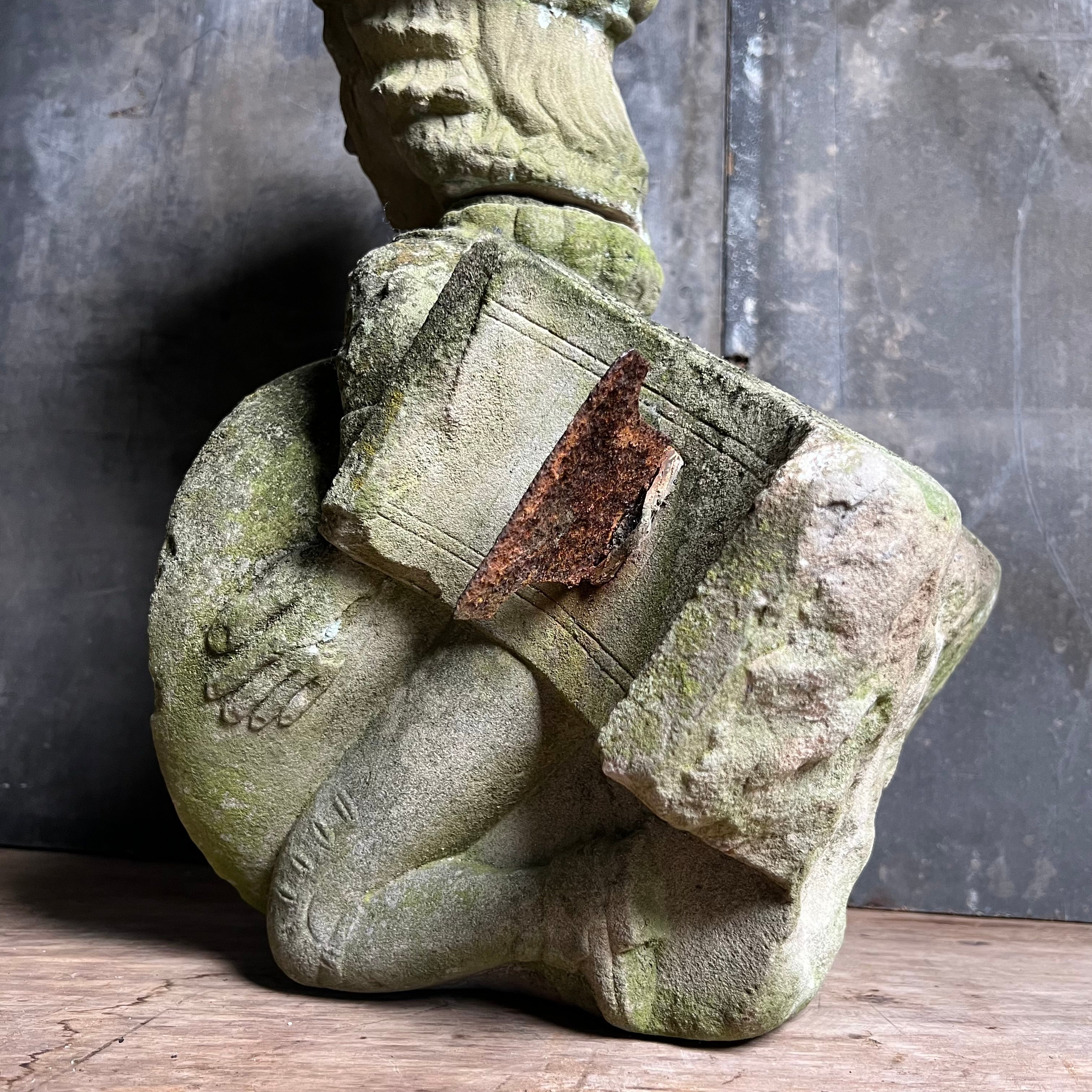
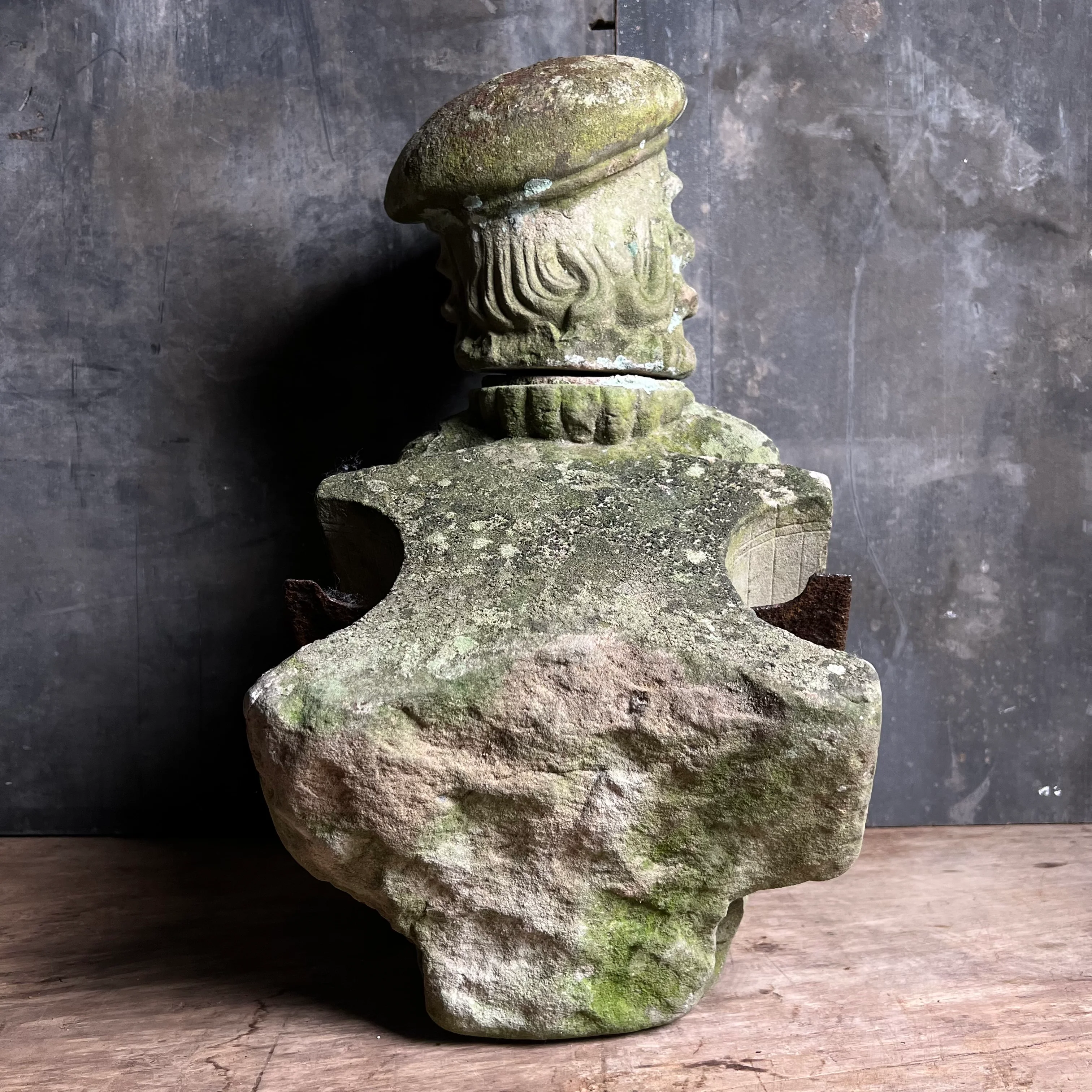
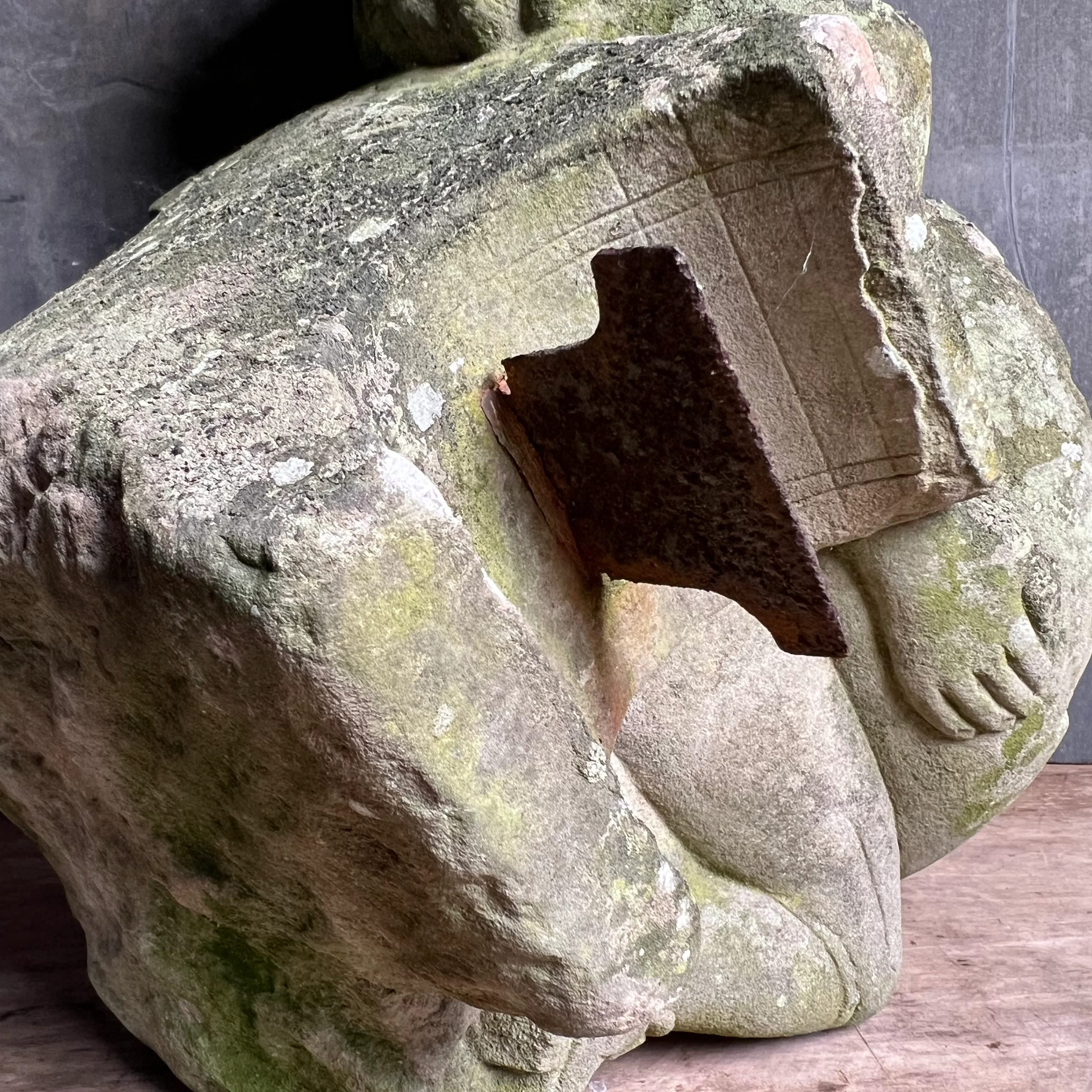
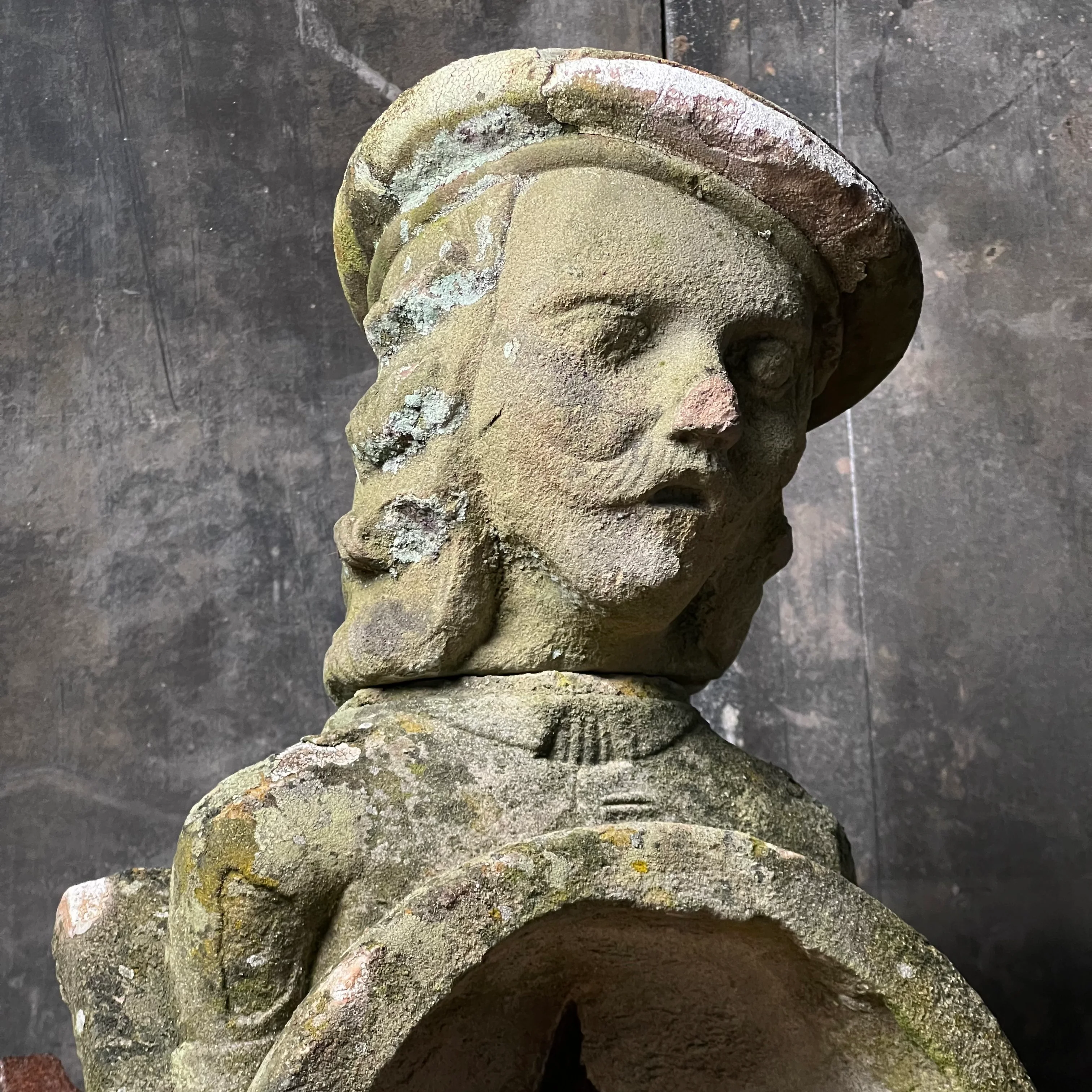
The moustached Clansman wears traditional dress including a Jacobite bonnet, and rests upon his concave shield known as a ‘targe’, which additionally forms the hemisphere sundial. To the side of his crouched figure we find two additional sundials.
Alnwick castle is the seat of the Duke of Northumberland and was first built following the Norman conquest. Rebuilt and remodelled several times, the sundial dates to the mid-18th century when the first Duke ordered a full restoration of the ruined Medieval fortress into a spectacular residence with beautiful parkland surrounding it.
Robert Adam the architect carried out much of the alterations, as did landscape gardener Capability Brown, under the orders of the returning Percy family. Elizabeth Seymour and Hugh Smithson were elevated to 1st Duke and Duchess of Northumberland in 1766 by George III, whose restorations at Windsor Castle were later influenced by the couple's work at Alnwick.
A number of stone figures and architectural elements were added over a time period of 20 years by the stonemason James Johnson of Stamfordham to work in synergy with surviving medieval examples.
When Algernon became the 4th Duke in 1847 he chose to replace the 18th century gothick architecture, including removing a large number of the stone battlement figures, and this sundial.
Direct provenance from the gardens of the sixteenth century National Trust owned ‘Herterton House’, Cambo, Northumberland.
Original: $10,311.92
-70%$10,311.92
$3,093.58More Images










Alnwick Castle “Highland Clansman” Hemispherical Sundial c.1750-1770
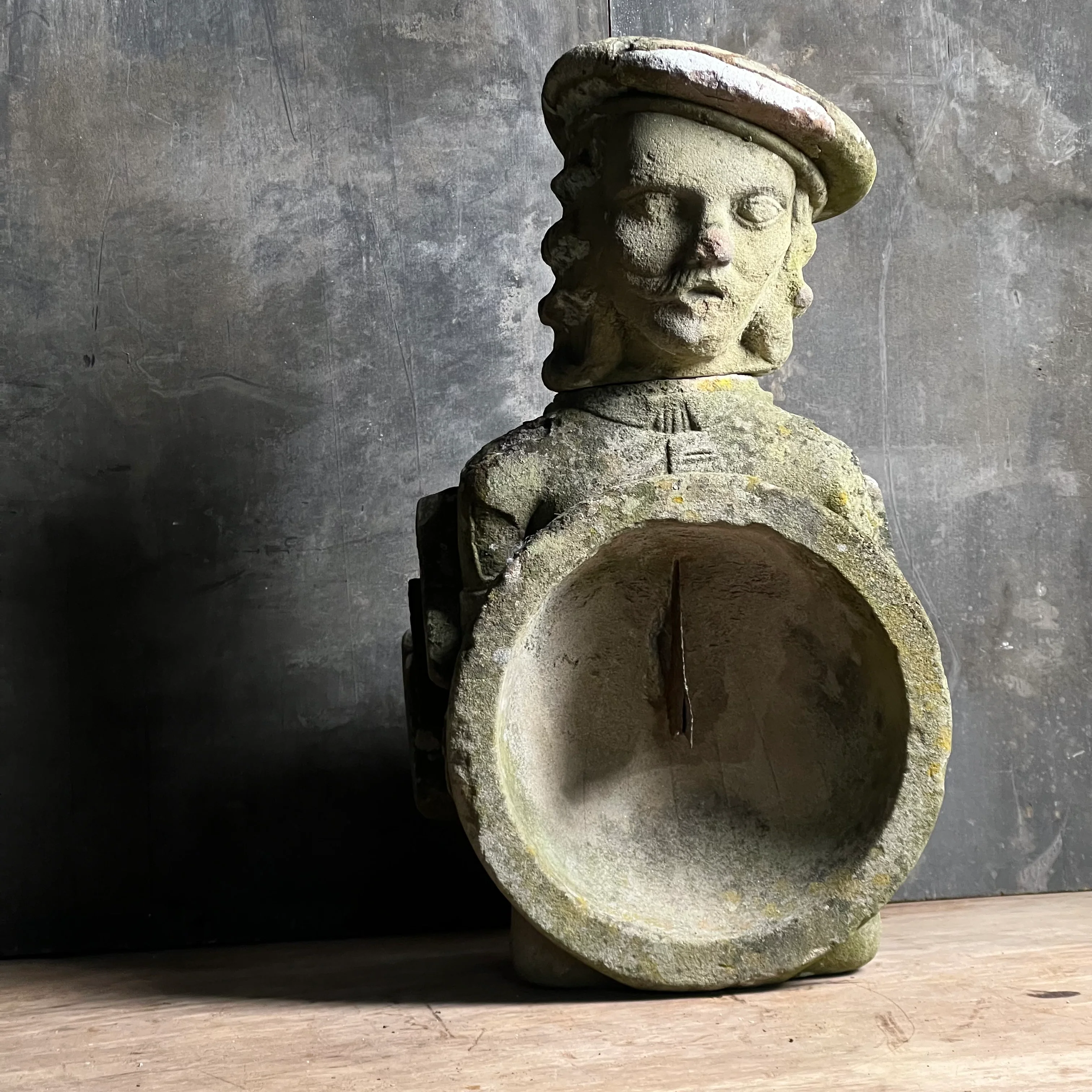
A rare surviving carved stone Hemispherical Sundial from Alnwick Castle c.1750-1770 depicting a ‘Highland Clansman’ carved by the renowned stonemason James Johnson of Stamfordham, who was also responsible for seven remaining ‘Battlement Figures’ which surmount the top of the current modelling of the Castle we find today.
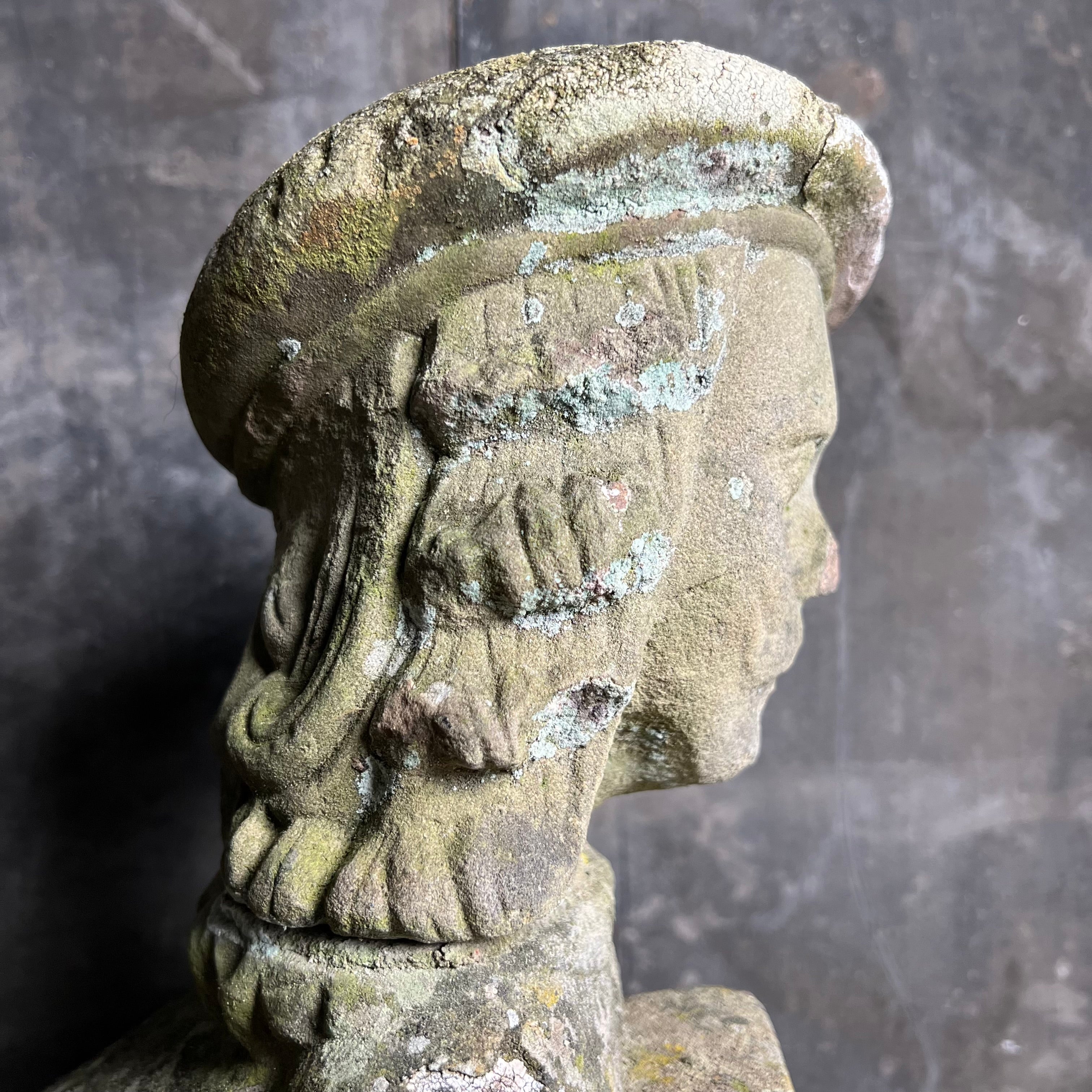
The moustached Clansman wears traditional dress including a Jacobite bonnet, and rests upon his concave shield known as a ‘targe’, which additionally forms the hemisphere sundial. To the side of his crouched figure we find two additional sundials.
Alnwick castle is the seat of the Duke of Northumberland and was first built following the Norman conquest. Rebuilt and remodelled several times, the sundial dates to the mid-18th century when the first Duke ordered a full restoration of the ruined Medieval fortress into a spectacular residence with beautiful parkland surrounding it.
Robert Adam the architect carried out much of the alterations, as did landscape gardener Capability Brown, under the orders of the returning Percy family. Elizabeth Seymour and Hugh Smithson were elevated to 1st Duke and Duchess of Northumberland in 1766 by George III, whose restorations at Windsor Castle were later influenced by the couple's work at Alnwick.
A number of stone figures and architectural elements were added over a time period of 20 years by the stonemason James Johnson of Stamfordham to work in synergy with surviving medieval examples.
When Algernon became the 4th Duke in 1847 he chose to replace the 18th century gothick architecture, including removing a large number of the stone battlement figures, and this sundial.
Direct provenance from the gardens of the sixteenth century National Trust owned ‘Herterton House’, Cambo, Northumberland.
Product Information
Product Information
Shipping & Returns
Shipping & Returns
Description
A rare surviving carved stone Hemispherical Sundial from Alnwick Castle c.1750-1770 depicting a ‘Highland Clansman’ carved by the renowned stonemason James Johnson of Stamfordham, who was also responsible for seven remaining ‘Battlement Figures’ which surmount the top of the current modelling of the Castle we find today.
The moustached Clansman wears traditional dress including a Jacobite bonnet, and rests upon his concave shield known as a ‘targe’, which additionally forms the hemisphere sundial. To the side of his crouched figure we find two additional sundials.
Alnwick castle is the seat of the Duke of Northumberland and was first built following the Norman conquest. Rebuilt and remodelled several times, the sundial dates to the mid-18th century when the first Duke ordered a full restoration of the ruined Medieval fortress into a spectacular residence with beautiful parkland surrounding it.
Robert Adam the architect carried out much of the alterations, as did landscape gardener Capability Brown, under the orders of the returning Percy family. Elizabeth Seymour and Hugh Smithson were elevated to 1st Duke and Duchess of Northumberland in 1766 by George III, whose restorations at Windsor Castle were later influenced by the couple's work at Alnwick.
A number of stone figures and architectural elements were added over a time period of 20 years by the stonemason James Johnson of Stamfordham to work in synergy with surviving medieval examples.
When Algernon became the 4th Duke in 1847 he chose to replace the 18th century gothick architecture, including removing a large number of the stone battlement figures, and this sundial.
Direct provenance from the gardens of the sixteenth century National Trust owned ‘Herterton House’, Cambo, Northumberland.