Dutch ‘Kwab’ Table c.1670 and Later
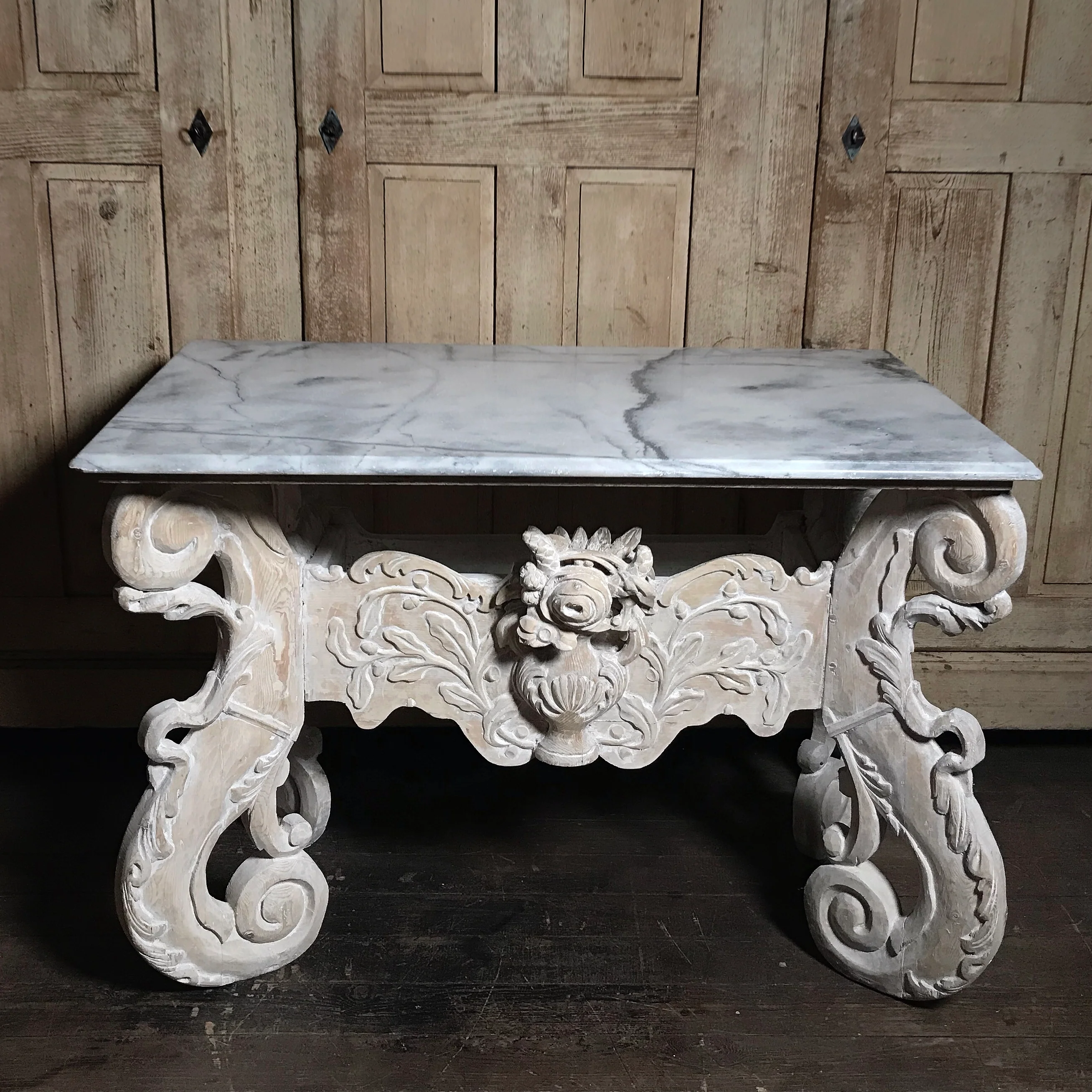
A Dutch carved pine “Kwab” table c.1670 and later.
The fantastically designed ‘Kwab’ table is a great example of furniture from a very small and specific frame of time. The kwab style is the most important Dutch contribution to the development of decorative art in Europe. In the 17th century fluid forms of ornamentation became fashionable in art - such as sea creatures, beasts, fluid contours found within nature and the undulating forms of the body. The ornamentation was popular on luxury objects found adorning the most stylish interiors of the elite.
Much of the original gesso or lime wash remains giving the piece a light, pale and ethereal appearance, revealing the original pines undulating forms and accenting the fantastical carving. With the later addition of a striking Marmo di Candoglia marble top.
More Images




Dutch ‘Kwab’ Table c.1670 and Later
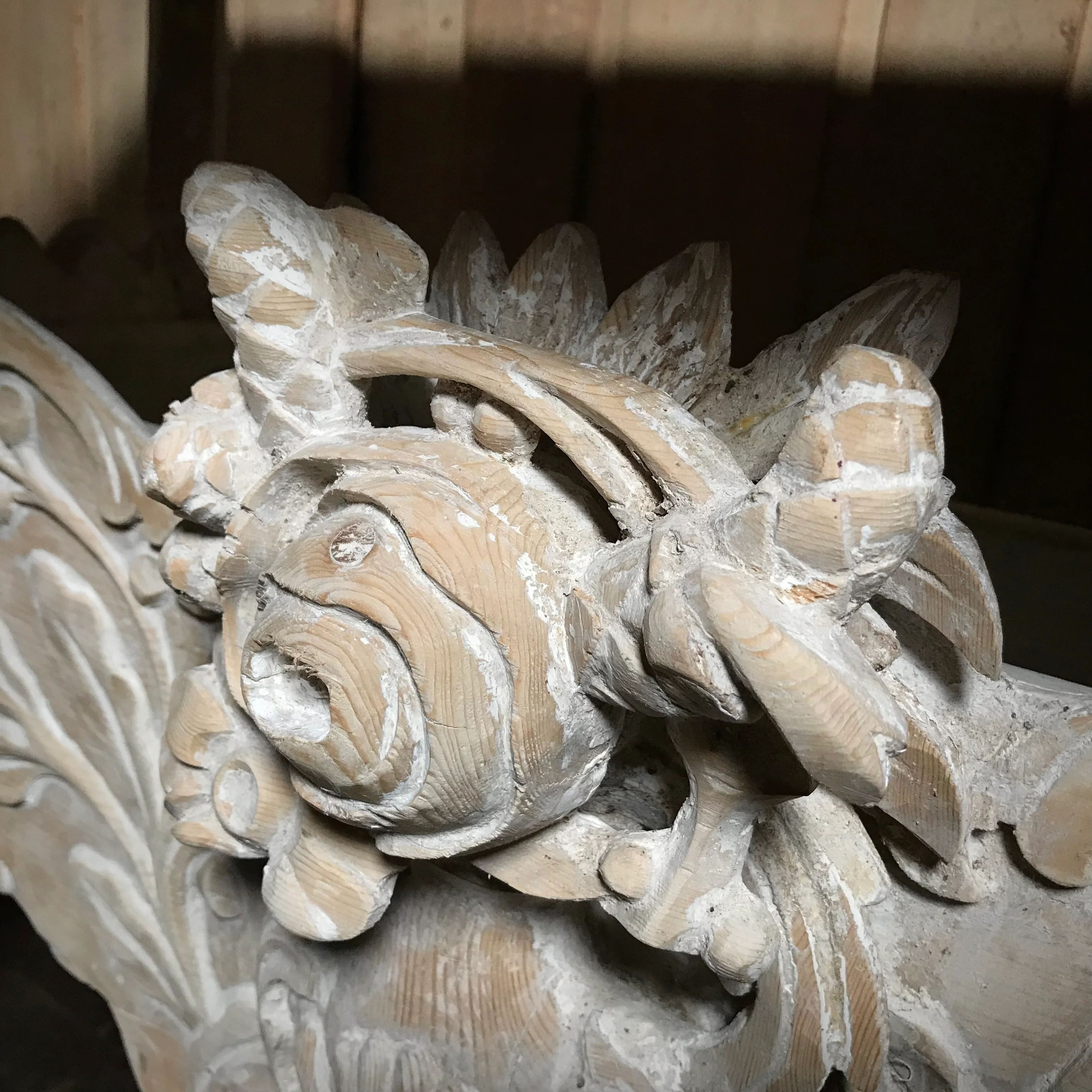
A Dutch carved pine “Kwab” table c.1670 and later.
The fantastically designed ‘Kwab’ table is a great example of furniture from a very small and specific frame of time. The kwab style is the most important Dutch contribution to the development of decorative art in Europe. In the 17th century fluid forms of ornamentation became fashionable in art - such as sea creatures, beasts, fluid contours found within nature and the undulating forms of the body. The ornamentation was popular on luxury objects found adorning the most stylish interiors of the elite.
Much of the original gesso or lime wash remains giving the piece a light, pale and ethereal appearance, revealing the original pines undulating forms and accenting the fantastical carving. With the later addition of a striking Marmo di Candoglia marble top.
Product Information
Product Information
Shipping & Returns
Shipping & Returns
Description
A Dutch carved pine “Kwab” table c.1670 and later.
The fantastically designed ‘Kwab’ table is a great example of furniture from a very small and specific frame of time. The kwab style is the most important Dutch contribution to the development of decorative art in Europe. In the 17th century fluid forms of ornamentation became fashionable in art - such as sea creatures, beasts, fluid contours found within nature and the undulating forms of the body. The ornamentation was popular on luxury objects found adorning the most stylish interiors of the elite.
Much of the original gesso or lime wash remains giving the piece a light, pale and ethereal appearance, revealing the original pines undulating forms and accenting the fantastical carving. With the later addition of a striking Marmo di Candoglia marble top.