Huge French Foundry Crucible c.1875
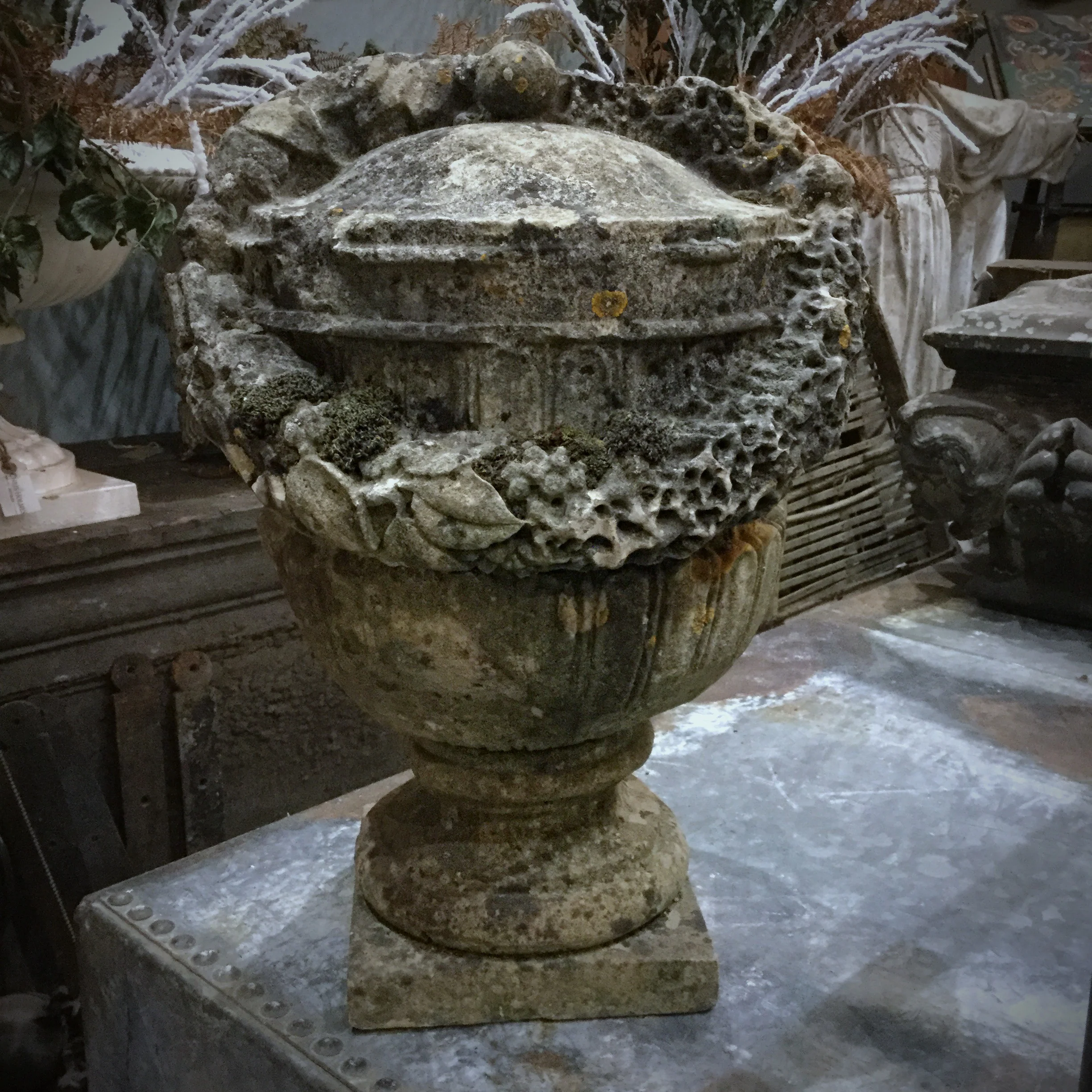
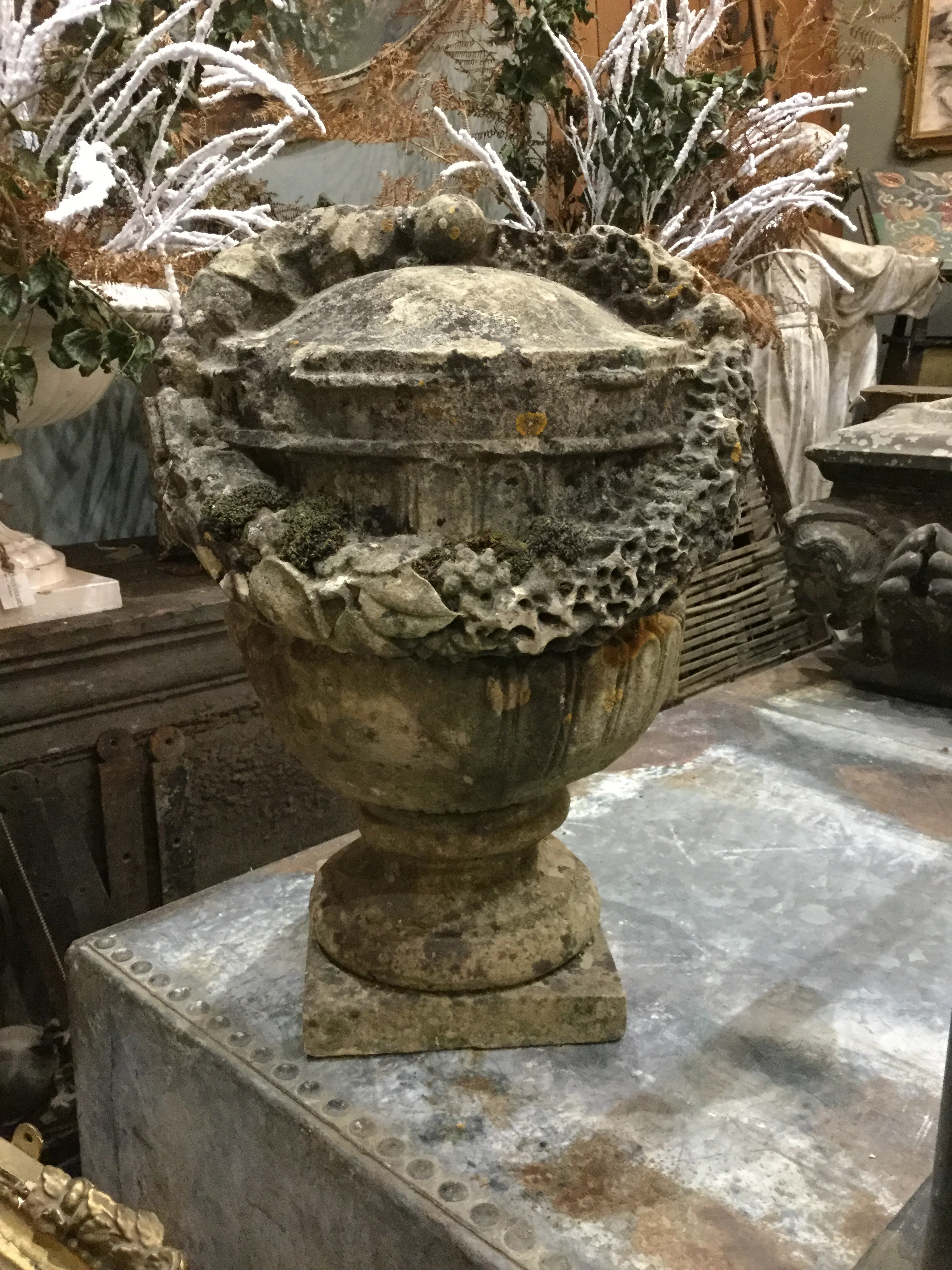
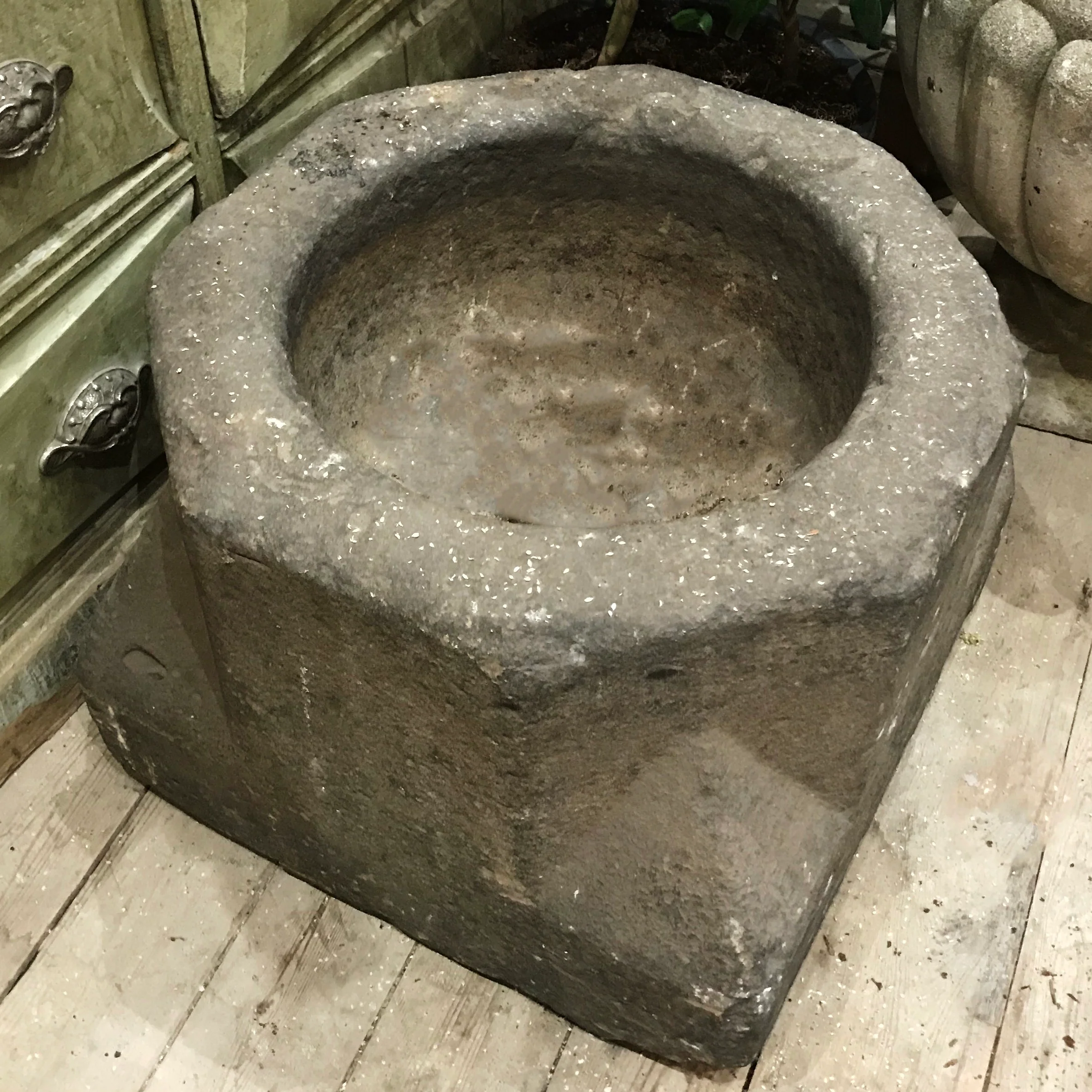
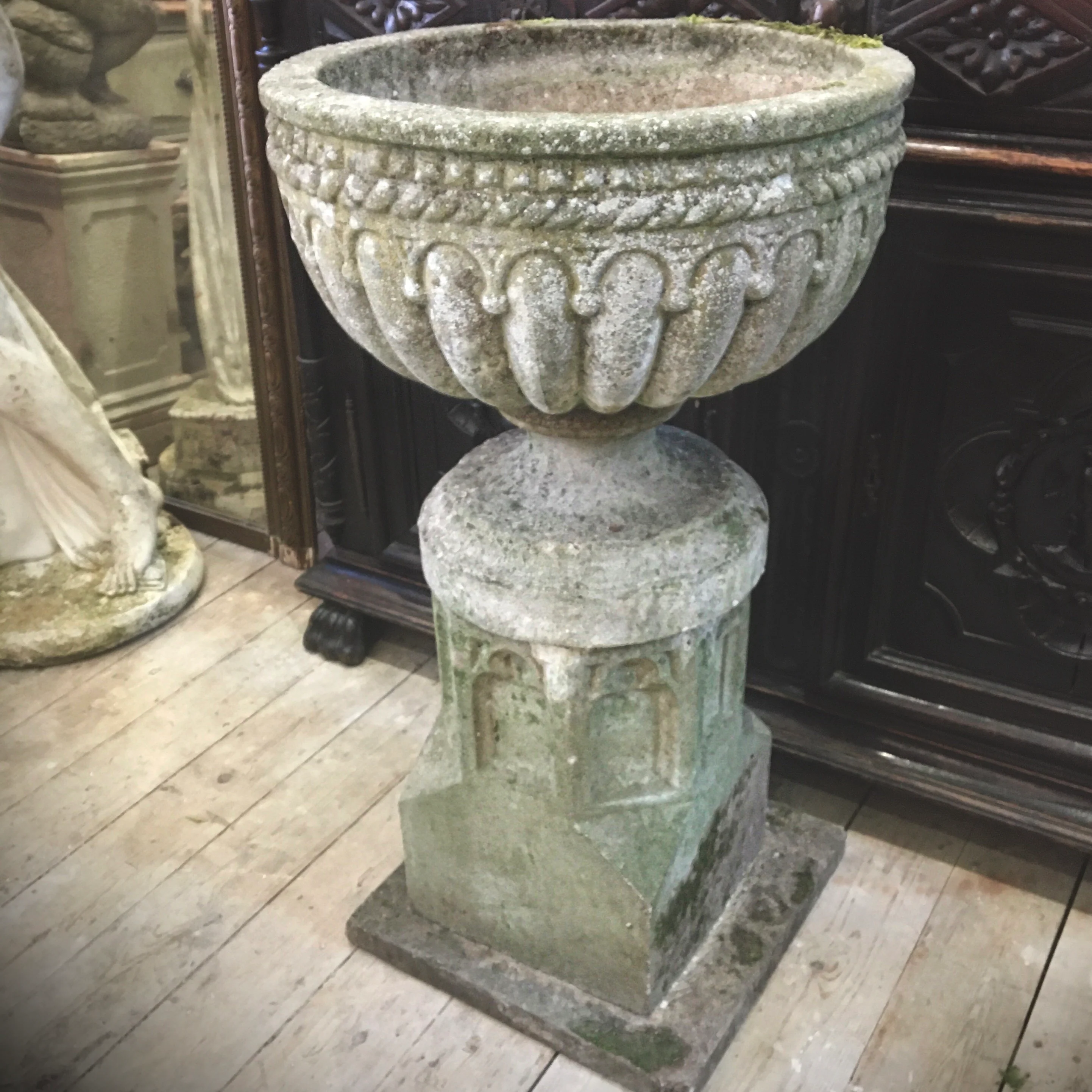
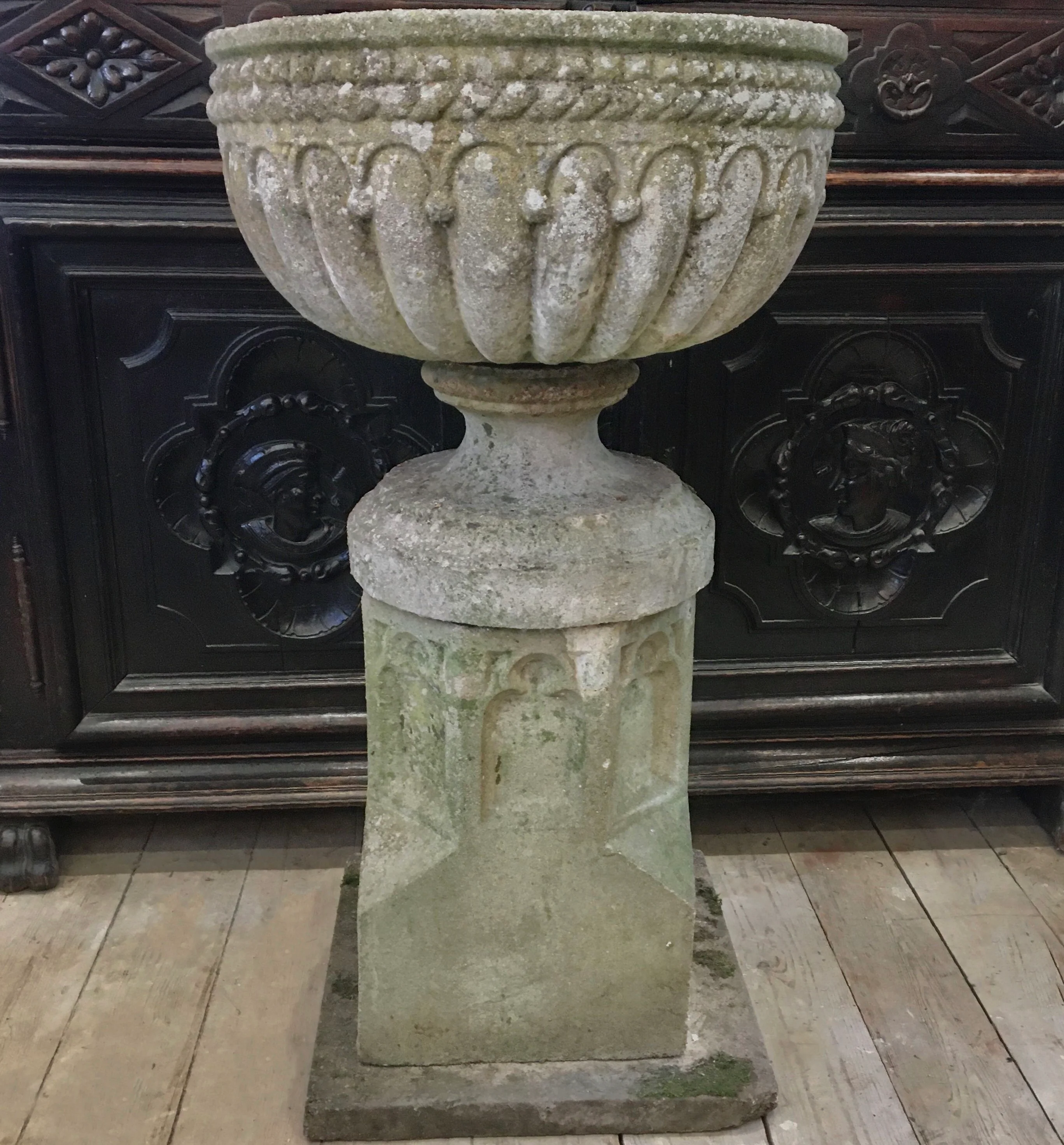
A large wonderfully patinated Foundry Crucible from France. c.1875.
Crucibles were originally used for holding, heating and pouring molten metals within a Foundry. We can tell from the surface colour that this piece comes from a Cast-iron Foundry. Nowhere was the popularity and use of cast-iron ornament greater than France, where in the second half of the 19th Century two foundries dominated international production and export.
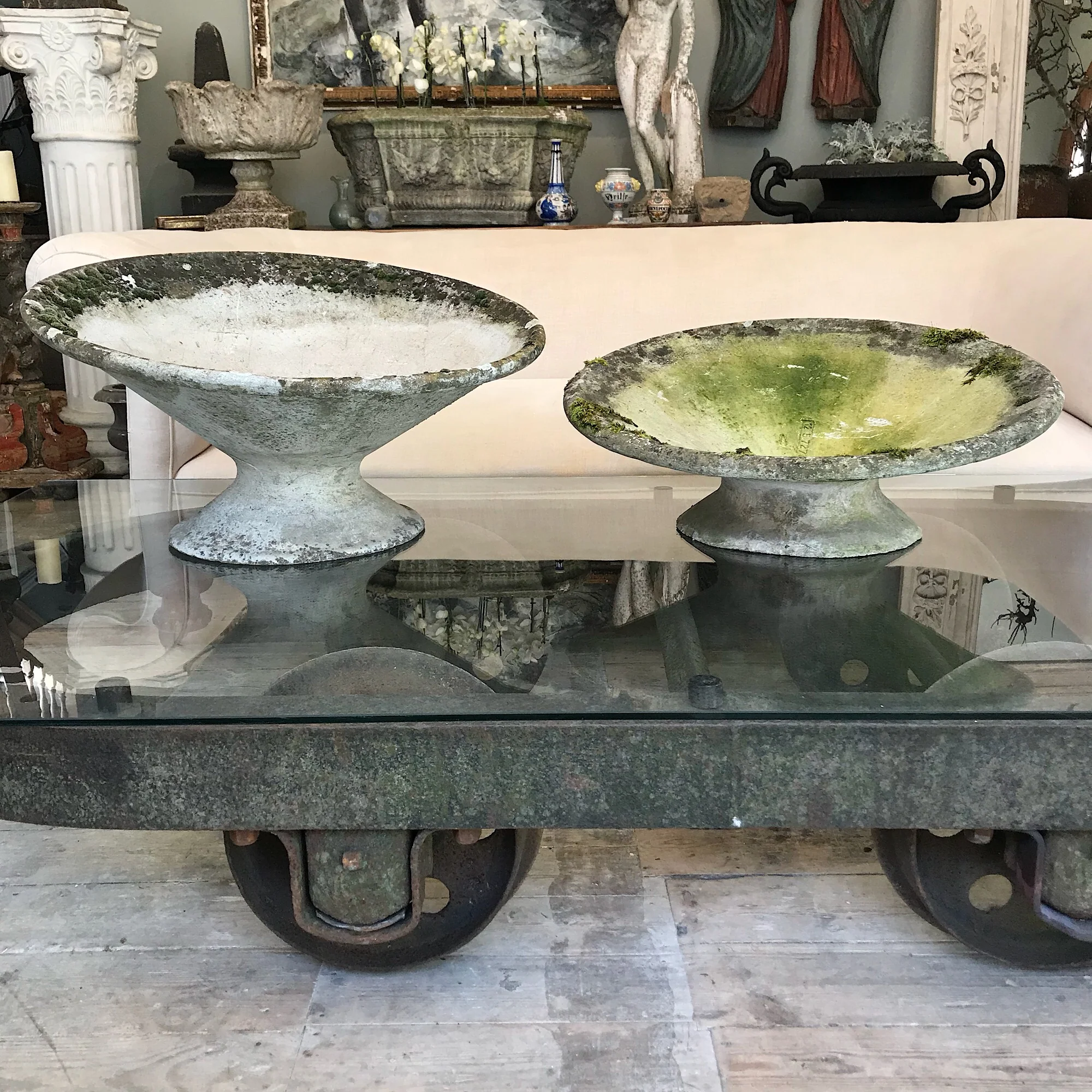
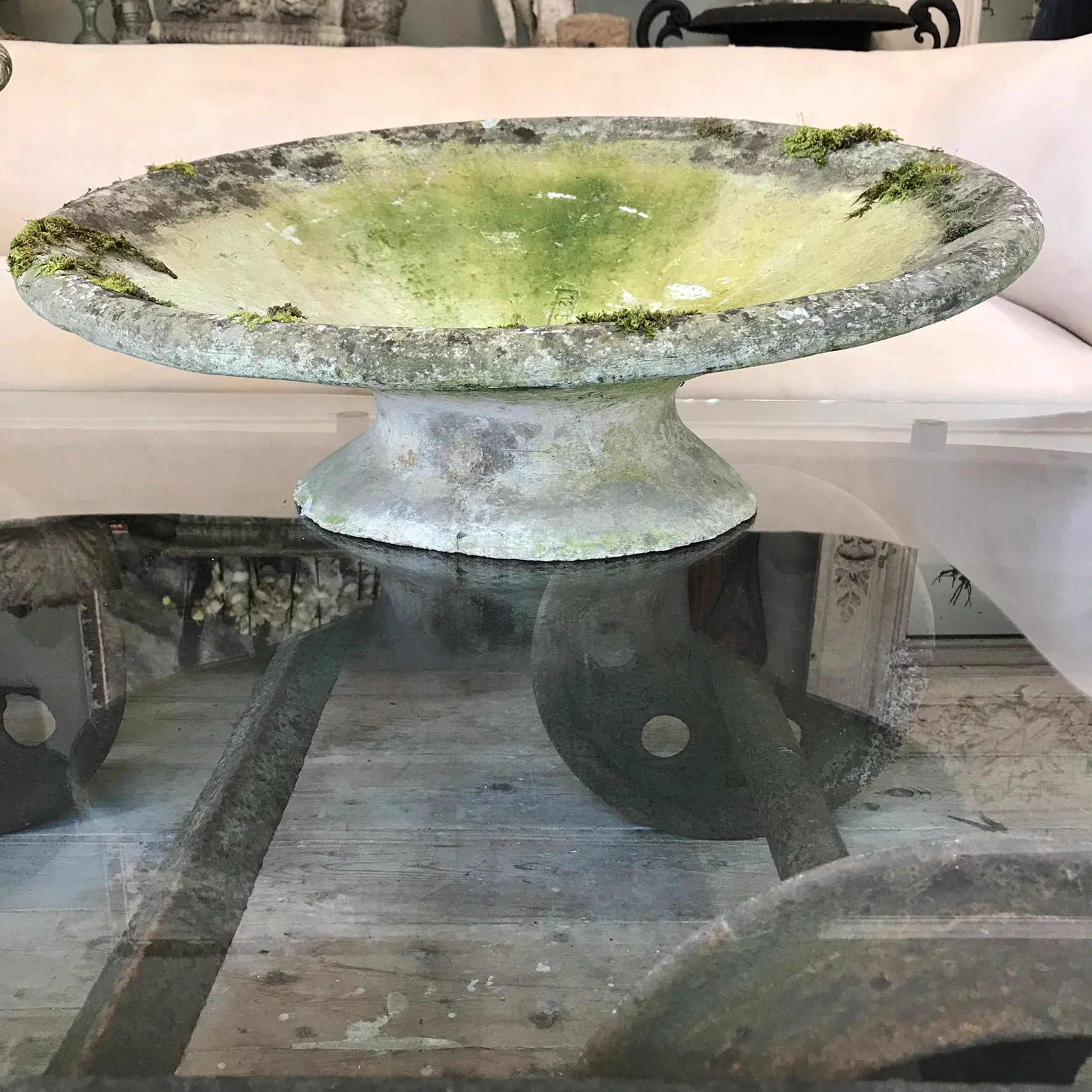
The highly textured ceramic surface is reminiscent of cooled lava stone, punctuated by a variegated coloured patination of natural earth ores. Glimmers of a variety of colours can be seen, as well as large areas of bright yellow colour, the colour formed in the production of cast iron when sulphur solidifies. The surface patination is individually and organically formed over time, in addition a wonderful covering of moss and lichen are testament to the crucibles age.
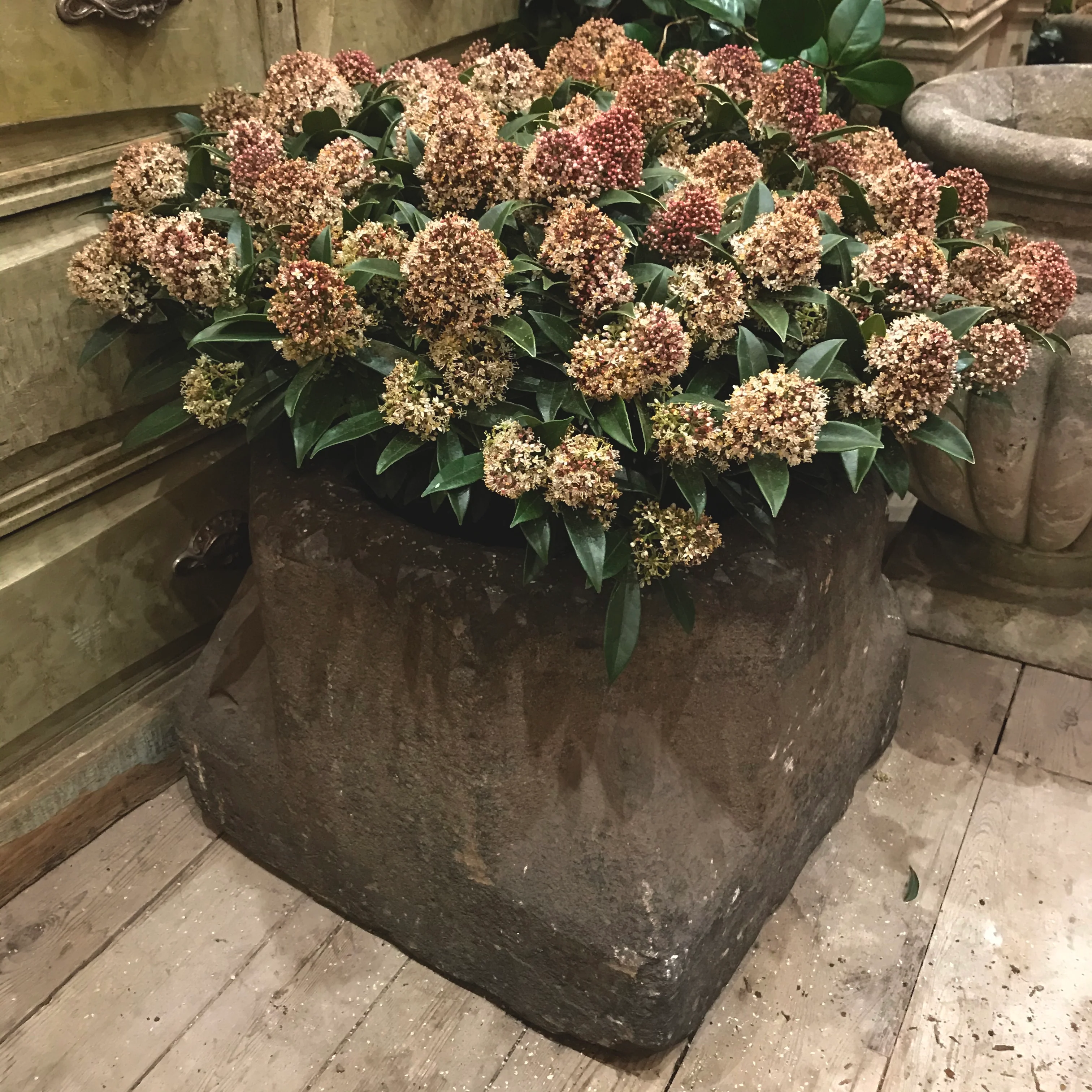
The primitive form of the vessel would make a striking planter, a water feature or simply a sculptural decorative object of art in your garden or interior.
Original: $2,395.03
-70%$2,395.03
$718.51More Images


Huge French Foundry Crucible c.1875
A large wonderfully patinated Foundry Crucible from France. c.1875.
Crucibles were originally used for holding, heating and pouring molten metals within a Foundry. We can tell from the surface colour that this piece comes from a Cast-iron Foundry. Nowhere was the popularity and use of cast-iron ornament greater than France, where in the second half of the 19th Century two foundries dominated international production and export.
The highly textured ceramic surface is reminiscent of cooled lava stone, punctuated by a variegated coloured patination of natural earth ores. Glimmers of a variety of colours can be seen, as well as large areas of bright yellow colour, the colour formed in the production of cast iron when sulphur solidifies. The surface patination is individually and organically formed over time, in addition a wonderful covering of moss and lichen are testament to the crucibles age.
The primitive form of the vessel would make a striking planter, a water feature or simply a sculptural decorative object of art in your garden or interior.
Product Information
Product Information
Shipping & Returns
Shipping & Returns
Description
A large wonderfully patinated Foundry Crucible from France. c.1875.
Crucibles were originally used for holding, heating and pouring molten metals within a Foundry. We can tell from the surface colour that this piece comes from a Cast-iron Foundry. Nowhere was the popularity and use of cast-iron ornament greater than France, where in the second half of the 19th Century two foundries dominated international production and export.
The highly textured ceramic surface is reminiscent of cooled lava stone, punctuated by a variegated coloured patination of natural earth ores. Glimmers of a variety of colours can be seen, as well as large areas of bright yellow colour, the colour formed in the production of cast iron when sulphur solidifies. The surface patination is individually and organically formed over time, in addition a wonderful covering of moss and lichen are testament to the crucibles age.
The primitive form of the vessel would make a striking planter, a water feature or simply a sculptural decorative object of art in your garden or interior.