Large Celtic Stone Head
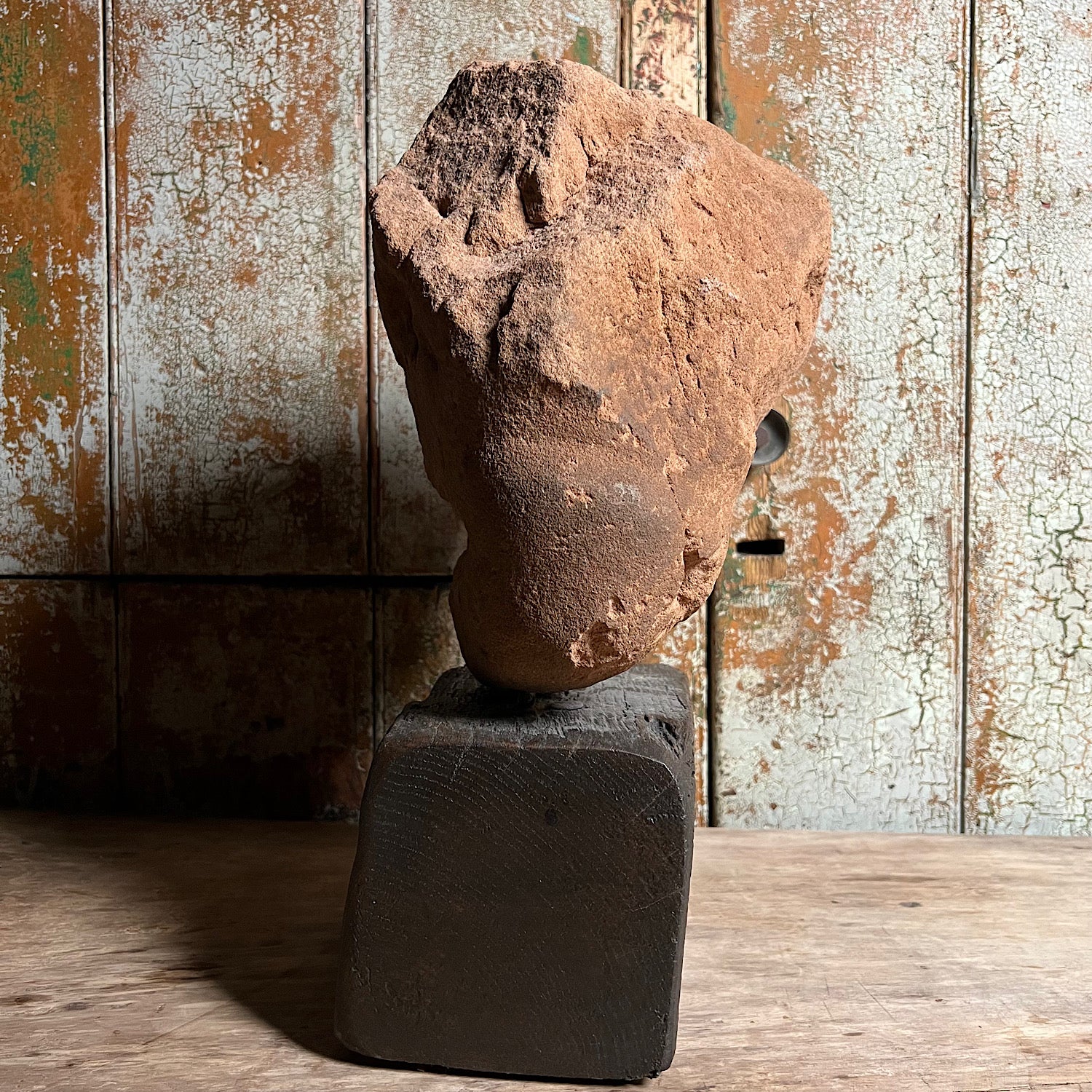
A dramatic large, deeply carved sandstone Celtic Stone head from the Iron Age or possible pre-Roman Celtic Britain period.
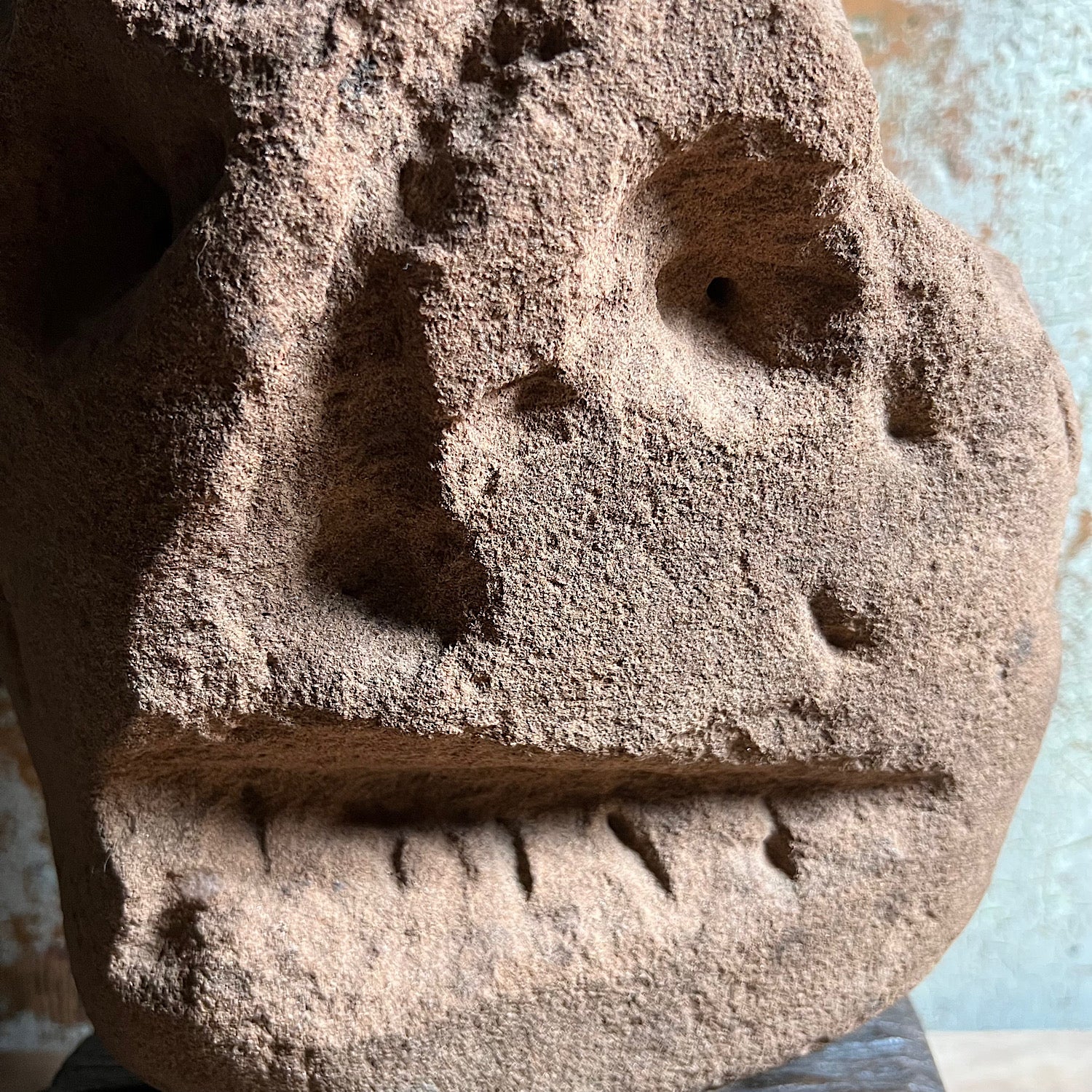
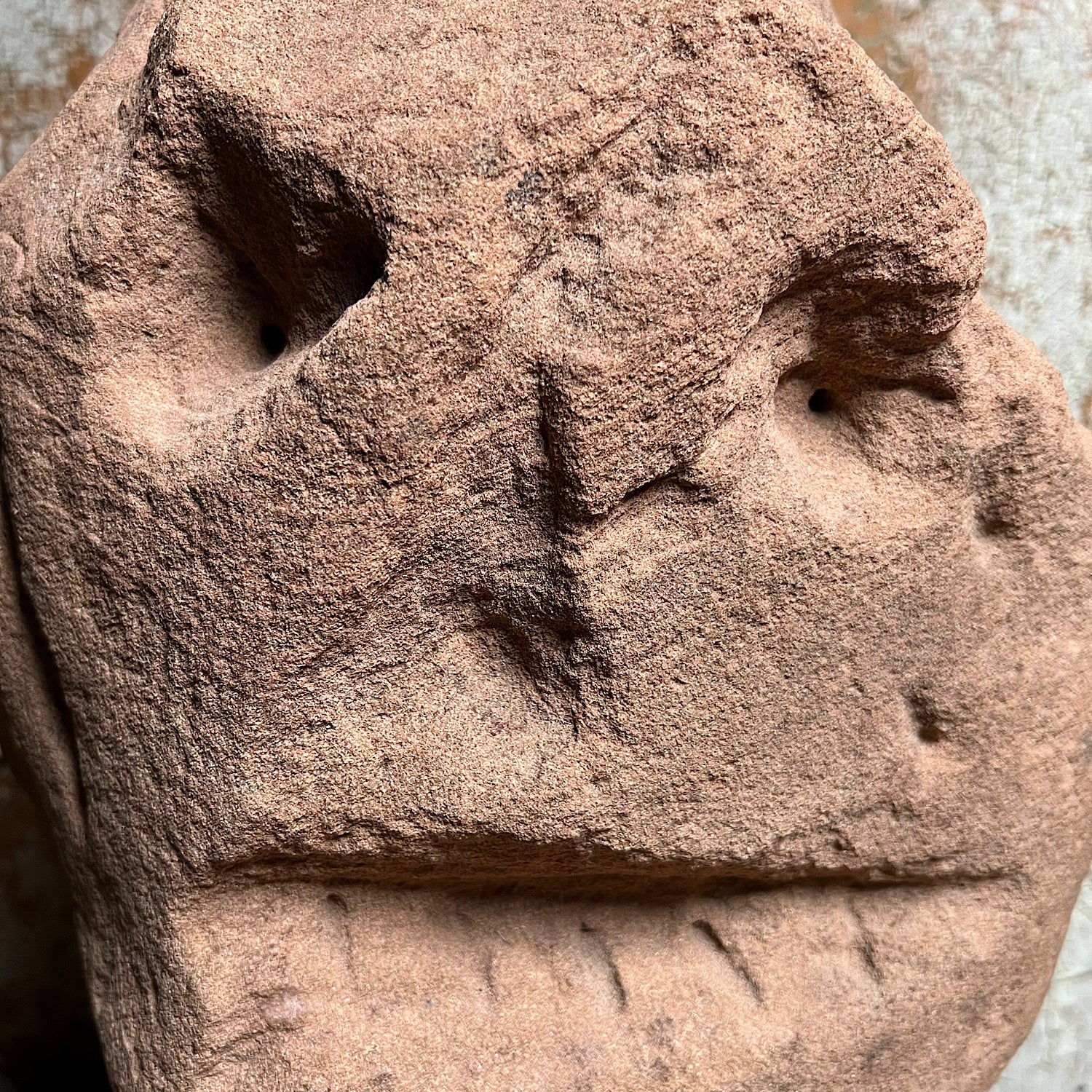
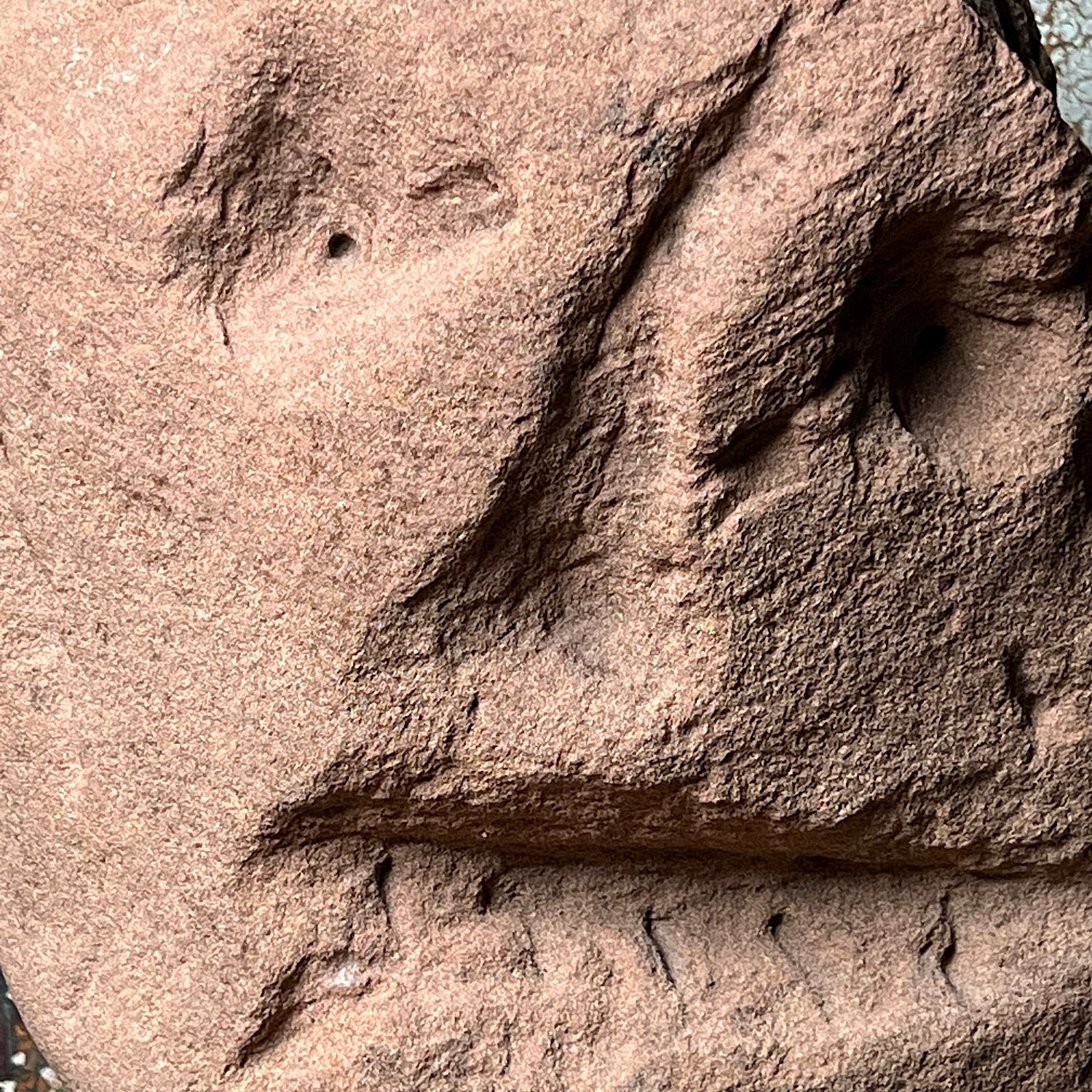
Heads such as these were objects of ritual in the pre Roman Celtic World. The deeply incised carved ‘pinholes’ for pupils in the eye sockets served to represent a point of spiritual communication with the ritual object, and sometimes were filled with a coloured glass insert.
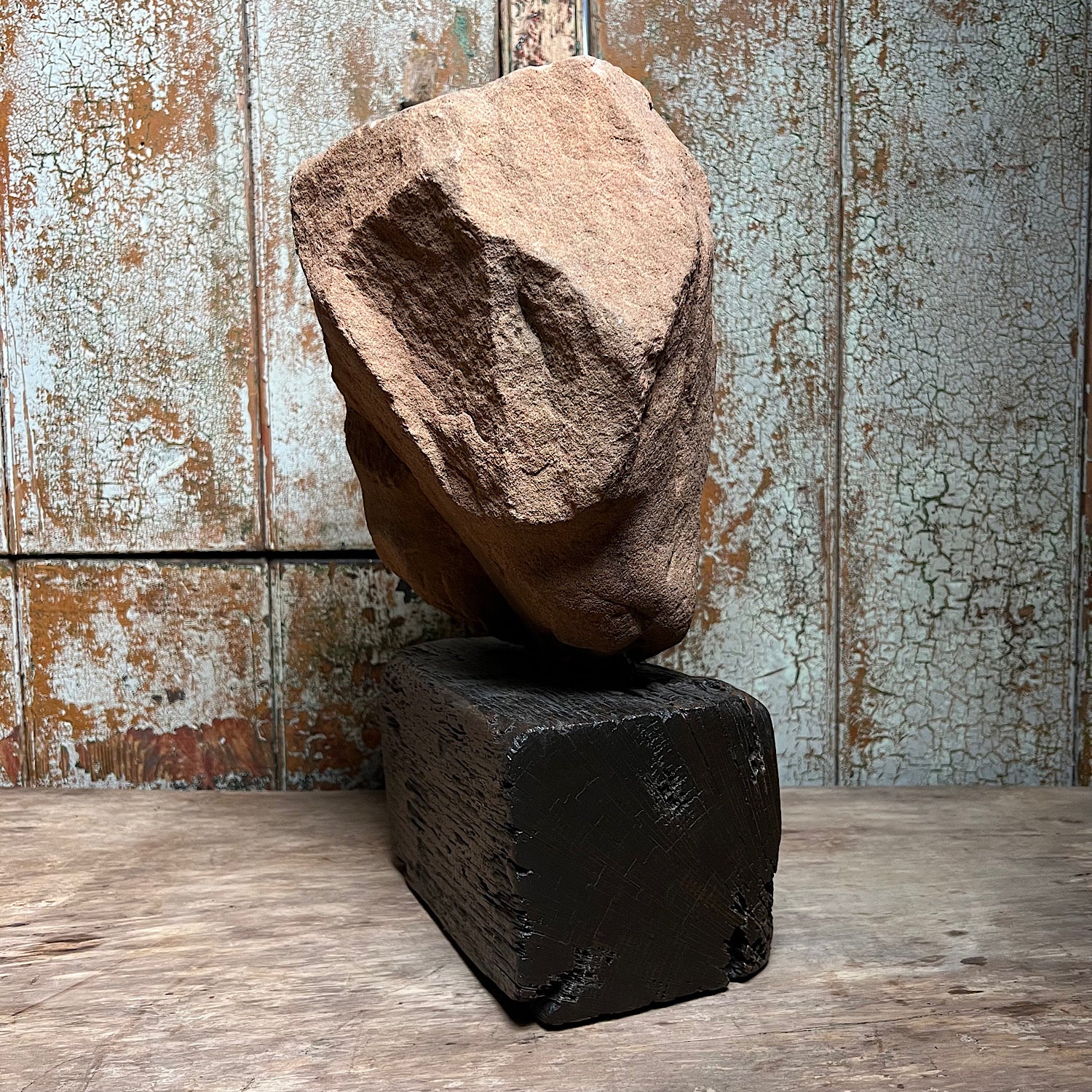
In Celtic Britain and further afield many shrines were set at the source of a river, a dew pond or a spring. Such shrines were thought of as healing sites of water. Our large head is carved to the front and sides, consisting of ochre stained sandstone, remnants of which can be seen to the back of the head. The features are smoothed and eroded from water flow. The scale of the piece may suggest that this was a water deity mounted over the entrance portal of the water shrine.
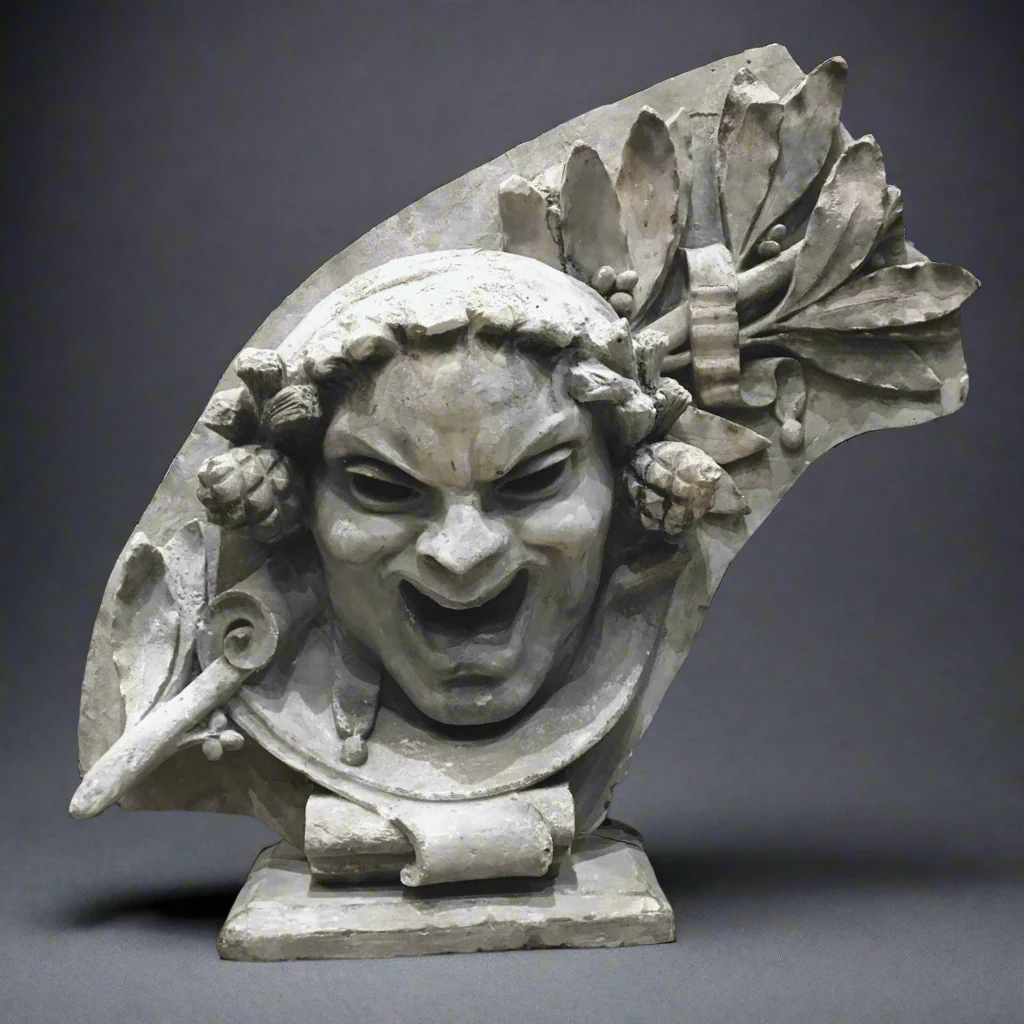
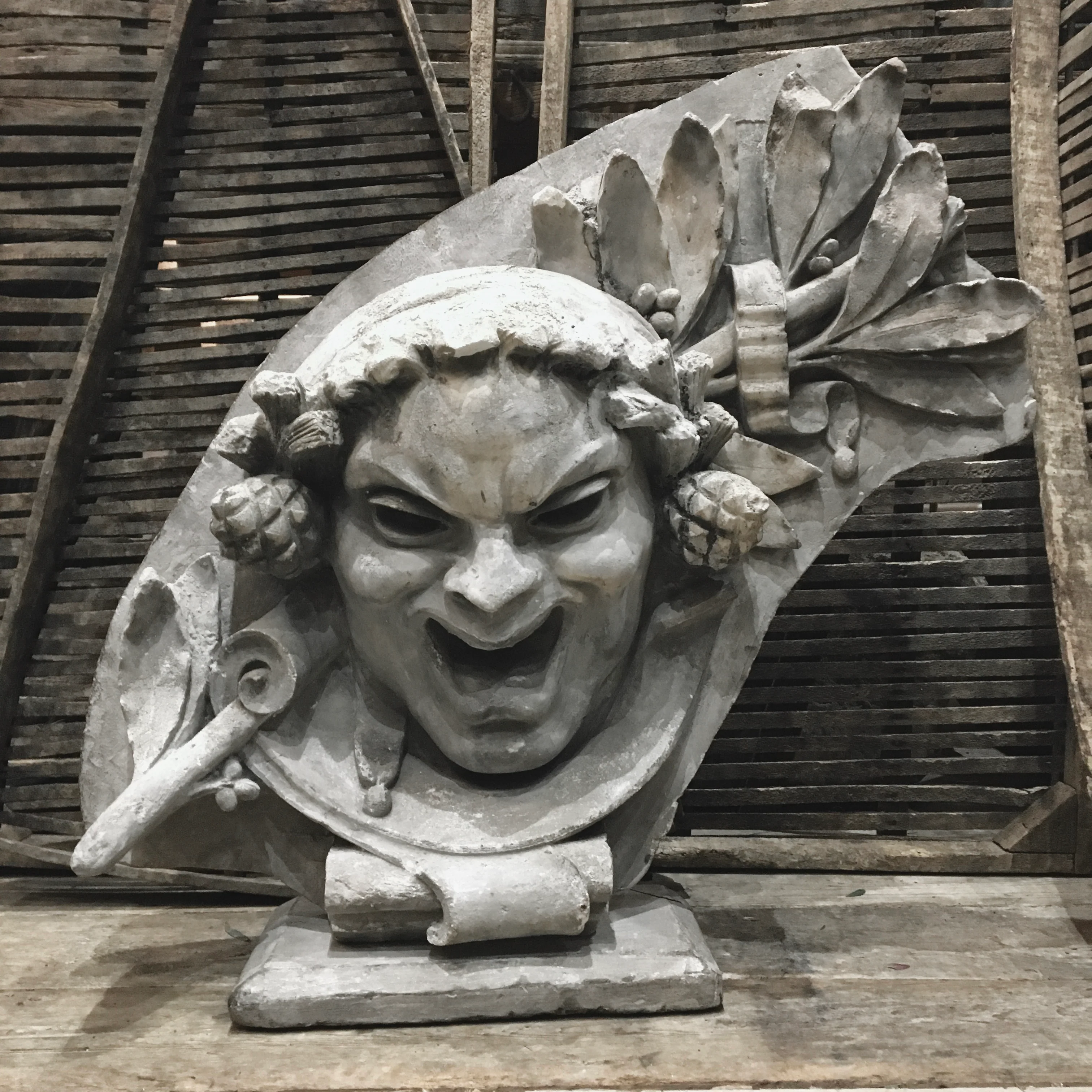
The face has large bulbous sunken eyes, a hollow nose and a large expressive toothed grimacing mouth. The scar across the right of the face may have been deliberate and represented a real person’s accident trauma. Illnesses and health problems were more commonly illustrated in smaller heads which would have been taken as part of the pilgrimage to the shrine - being of such large scale and weight it is more likely that this head was a static figure head piece which was thought to open portals.
The sandstone is of a similar type to the Roman Temple dig of Littledean Hall, Gloucestershire. Perhaps the area of origin of our head.
Size includes plinth. Height without plinth 29cm.
Original: $7,983.42
-70%$7,983.42
$2,395.03More Images











Large Celtic Stone Head
A dramatic large, deeply carved sandstone Celtic Stone head from the Iron Age or possible pre-Roman Celtic Britain period.
Heads such as these were objects of ritual in the pre Roman Celtic World. The deeply incised carved ‘pinholes’ for pupils in the eye sockets served to represent a point of spiritual communication with the ritual object, and sometimes were filled with a coloured glass insert.
In Celtic Britain and further afield many shrines were set at the source of a river, a dew pond or a spring. Such shrines were thought of as healing sites of water. Our large head is carved to the front and sides, consisting of ochre stained sandstone, remnants of which can be seen to the back of the head. The features are smoothed and eroded from water flow. The scale of the piece may suggest that this was a water deity mounted over the entrance portal of the water shrine.
The face has large bulbous sunken eyes, a hollow nose and a large expressive toothed grimacing mouth. The scar across the right of the face may have been deliberate and represented a real person’s accident trauma. Illnesses and health problems were more commonly illustrated in smaller heads which would have been taken as part of the pilgrimage to the shrine - being of such large scale and weight it is more likely that this head was a static figure head piece which was thought to open portals.
The sandstone is of a similar type to the Roman Temple dig of Littledean Hall, Gloucestershire. Perhaps the area of origin of our head.
Size includes plinth. Height without plinth 29cm.
Product Information
Product Information
Shipping & Returns
Shipping & Returns
Description
A dramatic large, deeply carved sandstone Celtic Stone head from the Iron Age or possible pre-Roman Celtic Britain period.
Heads such as these were objects of ritual in the pre Roman Celtic World. The deeply incised carved ‘pinholes’ for pupils in the eye sockets served to represent a point of spiritual communication with the ritual object, and sometimes were filled with a coloured glass insert.
In Celtic Britain and further afield many shrines were set at the source of a river, a dew pond or a spring. Such shrines were thought of as healing sites of water. Our large head is carved to the front and sides, consisting of ochre stained sandstone, remnants of which can be seen to the back of the head. The features are smoothed and eroded from water flow. The scale of the piece may suggest that this was a water deity mounted over the entrance portal of the water shrine.
The face has large bulbous sunken eyes, a hollow nose and a large expressive toothed grimacing mouth. The scar across the right of the face may have been deliberate and represented a real person’s accident trauma. Illnesses and health problems were more commonly illustrated in smaller heads which would have been taken as part of the pilgrimage to the shrine - being of such large scale and weight it is more likely that this head was a static figure head piece which was thought to open portals.
The sandstone is of a similar type to the Roman Temple dig of Littledean Hall, Gloucestershire. Perhaps the area of origin of our head.
Size includes plinth. Height without plinth 29cm.