Rare English Cube Sundial c.1710
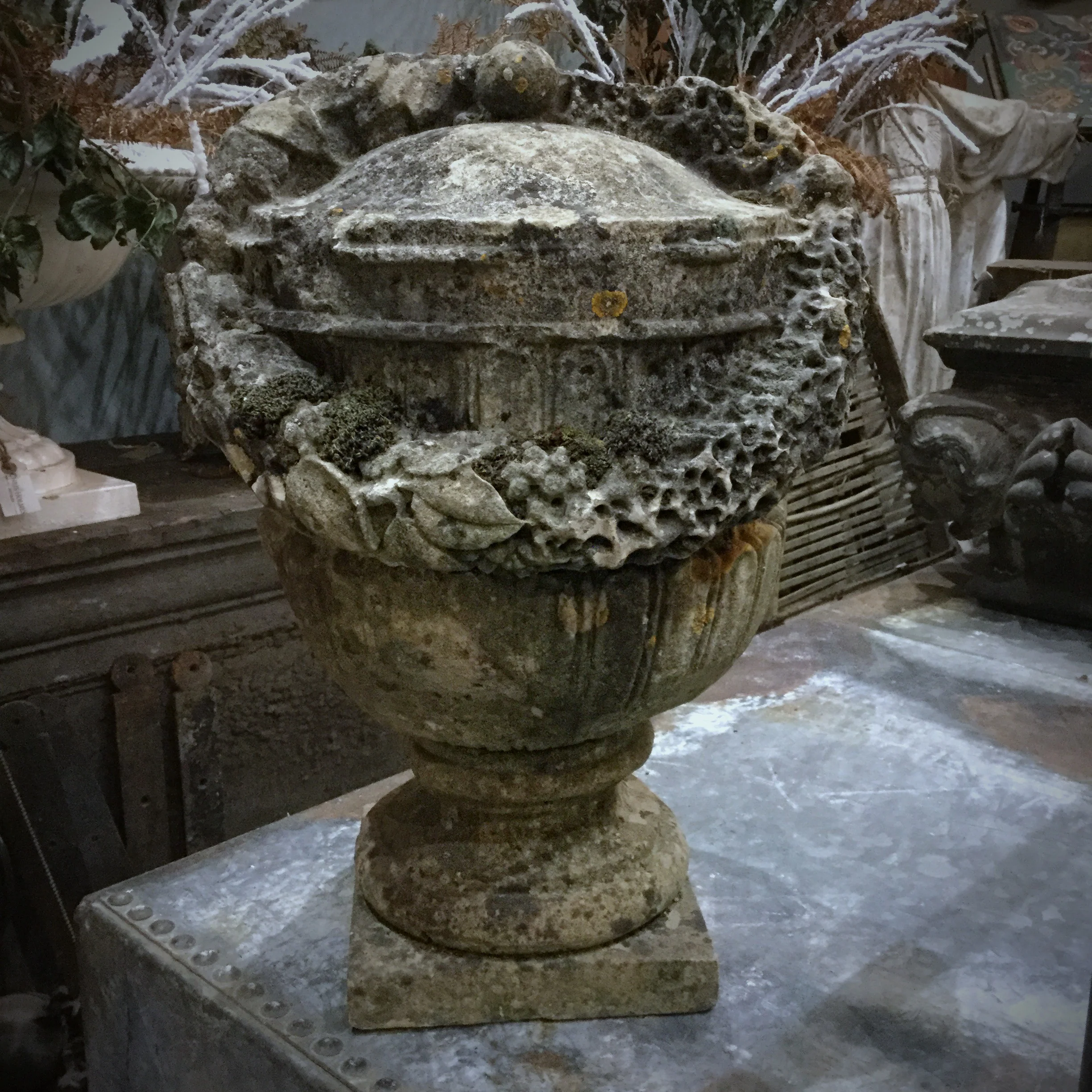
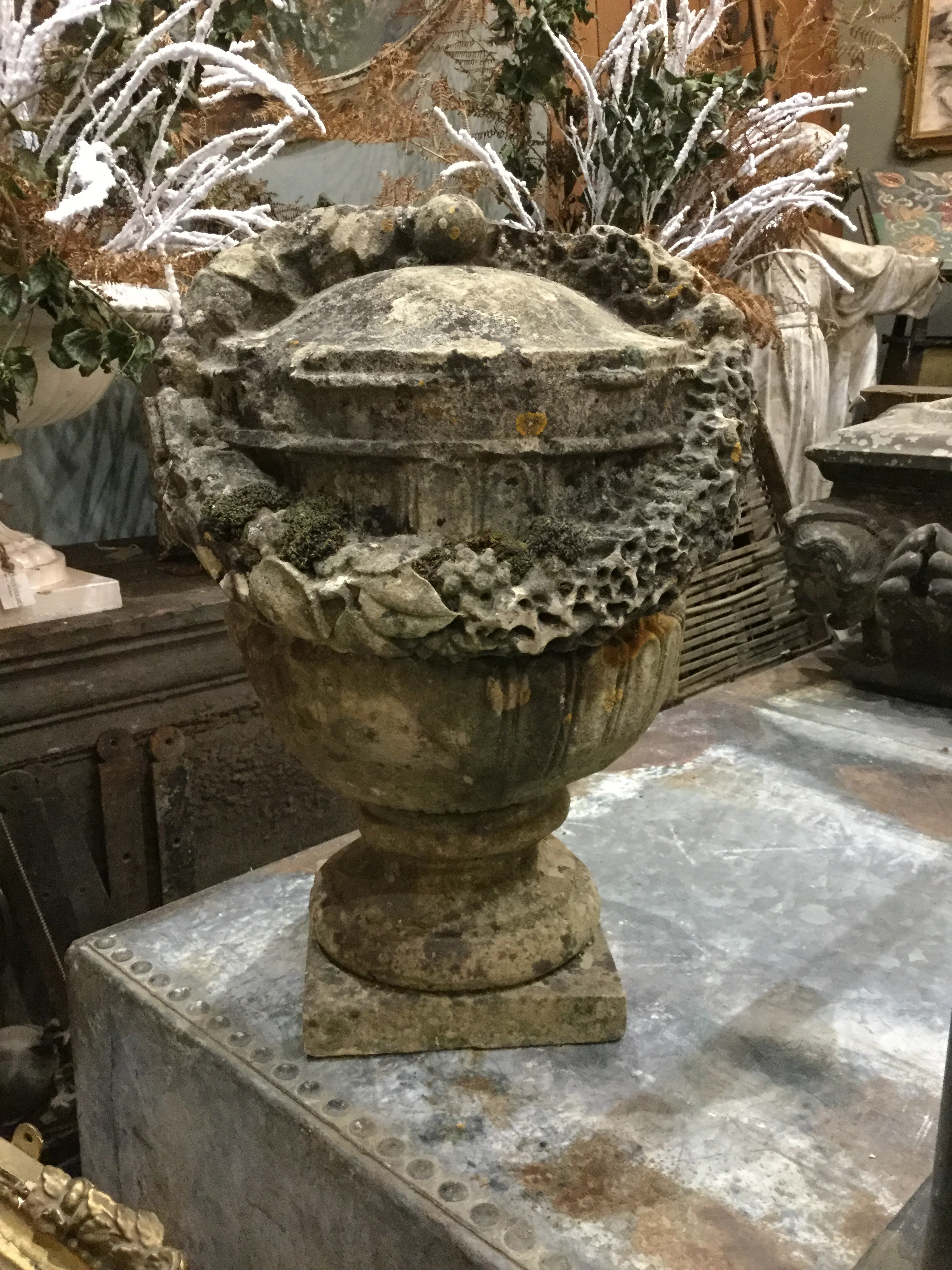
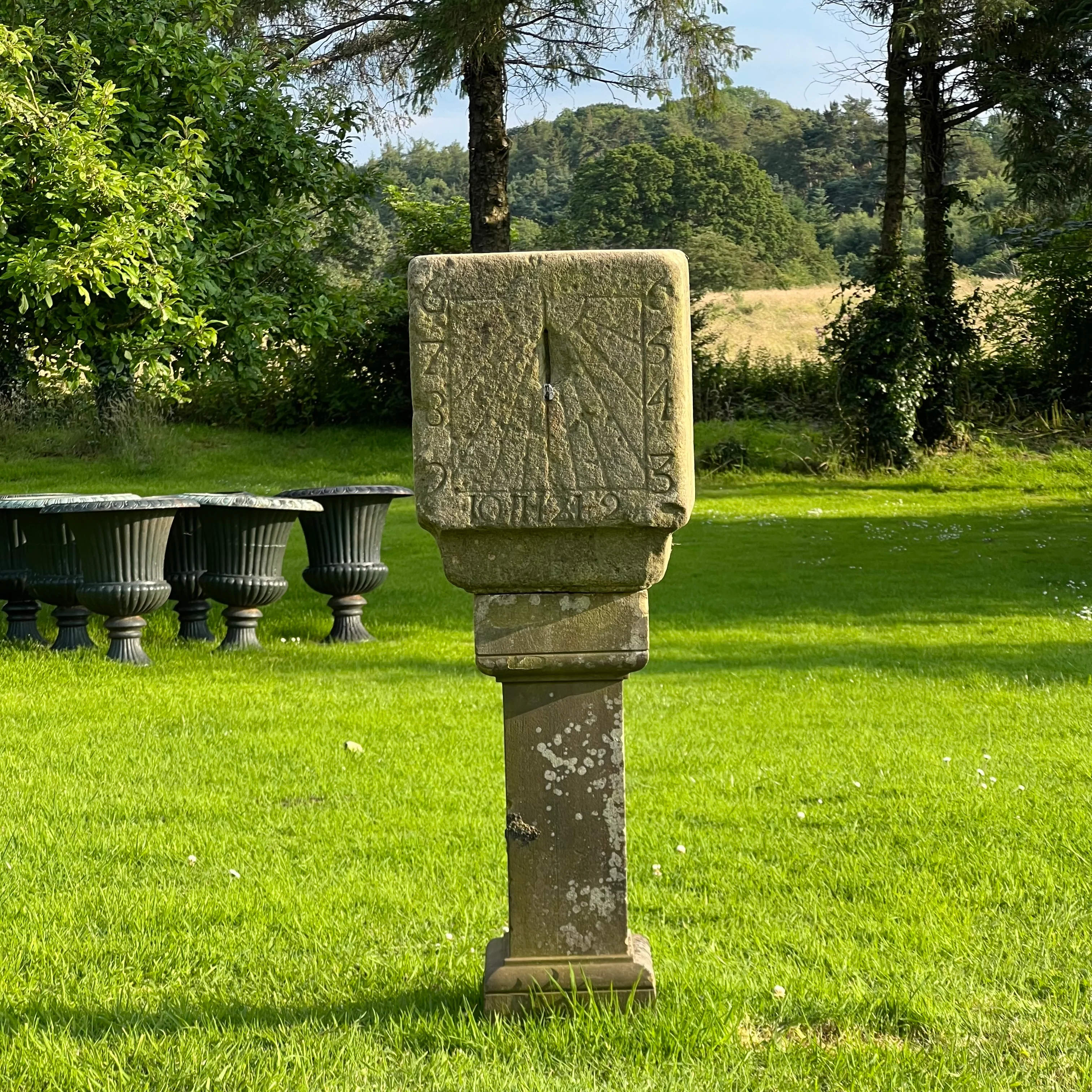
A remarkable rare English Cube Sundial circa 1710.
The height of the popularity surrounding Cube sundials took place during the late 17th and early 18th centuries. This exquisite timekeeping device is carved from finely engraved stone and is mounted on a later pedestal, assisting its display and functionality.
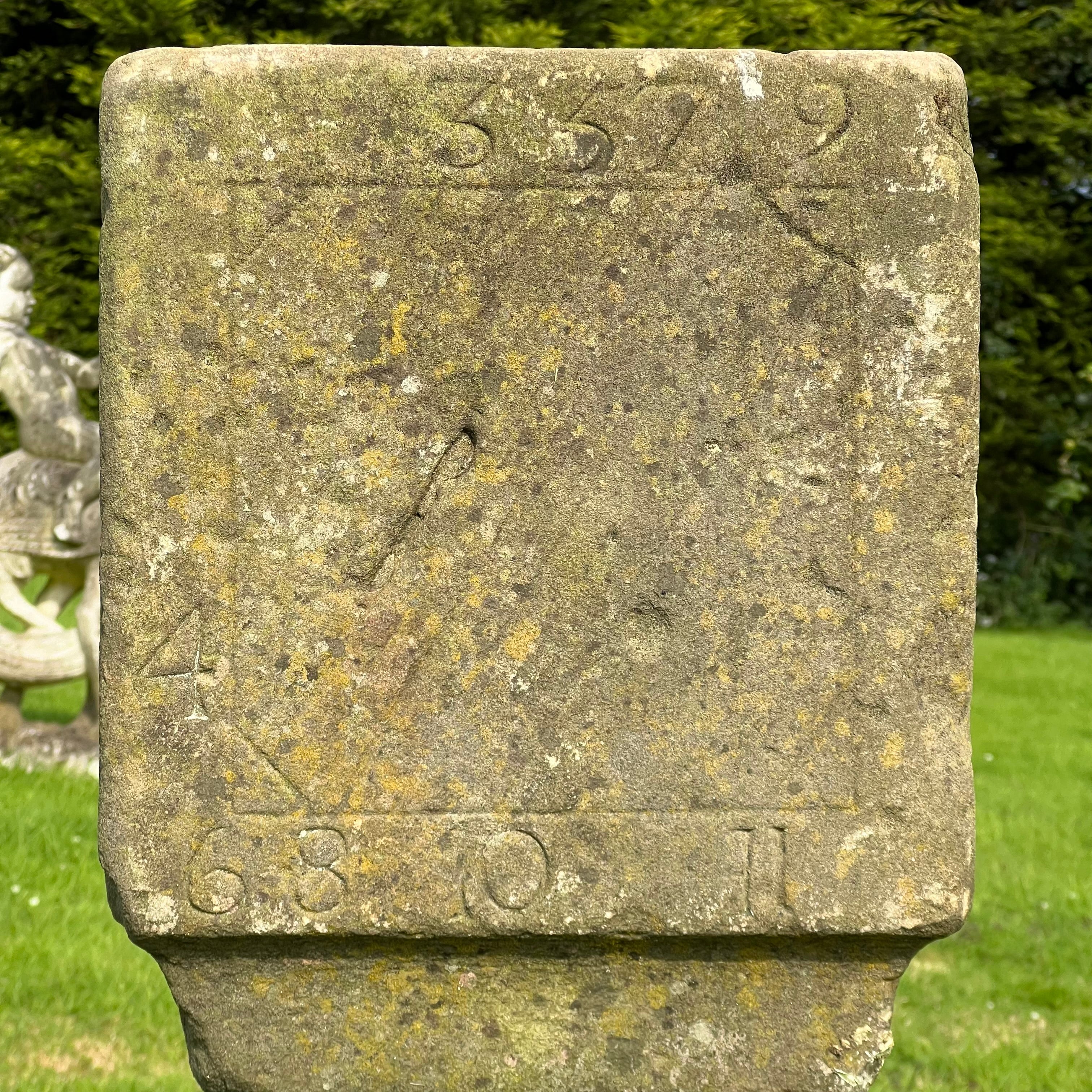
Typically, a cube sundial consists of a cube, though other polyhedral shapes like dodecahedrons were also utilised. Each face of the cube could feature a different type of sundial (such as horizontal, vertical, or declining), allowing it to tell time throughout the day and year. Our sundial Features multiple faces, each designed to tell time based on the sun's position, the gnomons would have been precisely aligned to cast accurate shadows, with scratch dial hour lines intricately carved into the surface.
The ingenious sundial reflects the intellectual fervour of the Scientific Revolution, which occurred between the mid-16th century and the late 18th century. This period, beginning around 1543 with Nicolaus Copernicus's "De revolutionibus orbium coelestium" and culminating with the work of figures like Isaac Newton, saw significant advancements in scientific knowledge and a growing interest in astronomy and timekeeping.
Whether you are a collector, historian, or simply an admirer of historical artefacts, this unique c.1720 stone-carved cube sundial will fascinate and educate, and bring an elegant element to any garden, embodying the principles of astronomy and geometry.
Original: $6,386.74
-70%$6,386.74
$1,916.02More Images







Rare English Cube Sundial c.1710
A remarkable rare English Cube Sundial circa 1710.
The height of the popularity surrounding Cube sundials took place during the late 17th and early 18th centuries. This exquisite timekeeping device is carved from finely engraved stone and is mounted on a later pedestal, assisting its display and functionality.
Typically, a cube sundial consists of a cube, though other polyhedral shapes like dodecahedrons were also utilised. Each face of the cube could feature a different type of sundial (such as horizontal, vertical, or declining), allowing it to tell time throughout the day and year. Our sundial Features multiple faces, each designed to tell time based on the sun's position, the gnomons would have been precisely aligned to cast accurate shadows, with scratch dial hour lines intricately carved into the surface.
The ingenious sundial reflects the intellectual fervour of the Scientific Revolution, which occurred between the mid-16th century and the late 18th century. This period, beginning around 1543 with Nicolaus Copernicus's "De revolutionibus orbium coelestium" and culminating with the work of figures like Isaac Newton, saw significant advancements in scientific knowledge and a growing interest in astronomy and timekeeping.
Whether you are a collector, historian, or simply an admirer of historical artefacts, this unique c.1720 stone-carved cube sundial will fascinate and educate, and bring an elegant element to any garden, embodying the principles of astronomy and geometry.
Product Information
Product Information
Shipping & Returns
Shipping & Returns
Description
A remarkable rare English Cube Sundial circa 1710.
The height of the popularity surrounding Cube sundials took place during the late 17th and early 18th centuries. This exquisite timekeeping device is carved from finely engraved stone and is mounted on a later pedestal, assisting its display and functionality.
Typically, a cube sundial consists of a cube, though other polyhedral shapes like dodecahedrons were also utilised. Each face of the cube could feature a different type of sundial (such as horizontal, vertical, or declining), allowing it to tell time throughout the day and year. Our sundial Features multiple faces, each designed to tell time based on the sun's position, the gnomons would have been precisely aligned to cast accurate shadows, with scratch dial hour lines intricately carved into the surface.
The ingenious sundial reflects the intellectual fervour of the Scientific Revolution, which occurred between the mid-16th century and the late 18th century. This period, beginning around 1543 with Nicolaus Copernicus's "De revolutionibus orbium coelestium" and culminating with the work of figures like Isaac Newton, saw significant advancements in scientific knowledge and a growing interest in astronomy and timekeeping.
Whether you are a collector, historian, or simply an admirer of historical artefacts, this unique c.1720 stone-carved cube sundial will fascinate and educate, and bring an elegant element to any garden, embodying the principles of astronomy and geometry.