Italian Renaissance ‘The Three Ages of Man’ Tricephalic Capital c.1460-1500
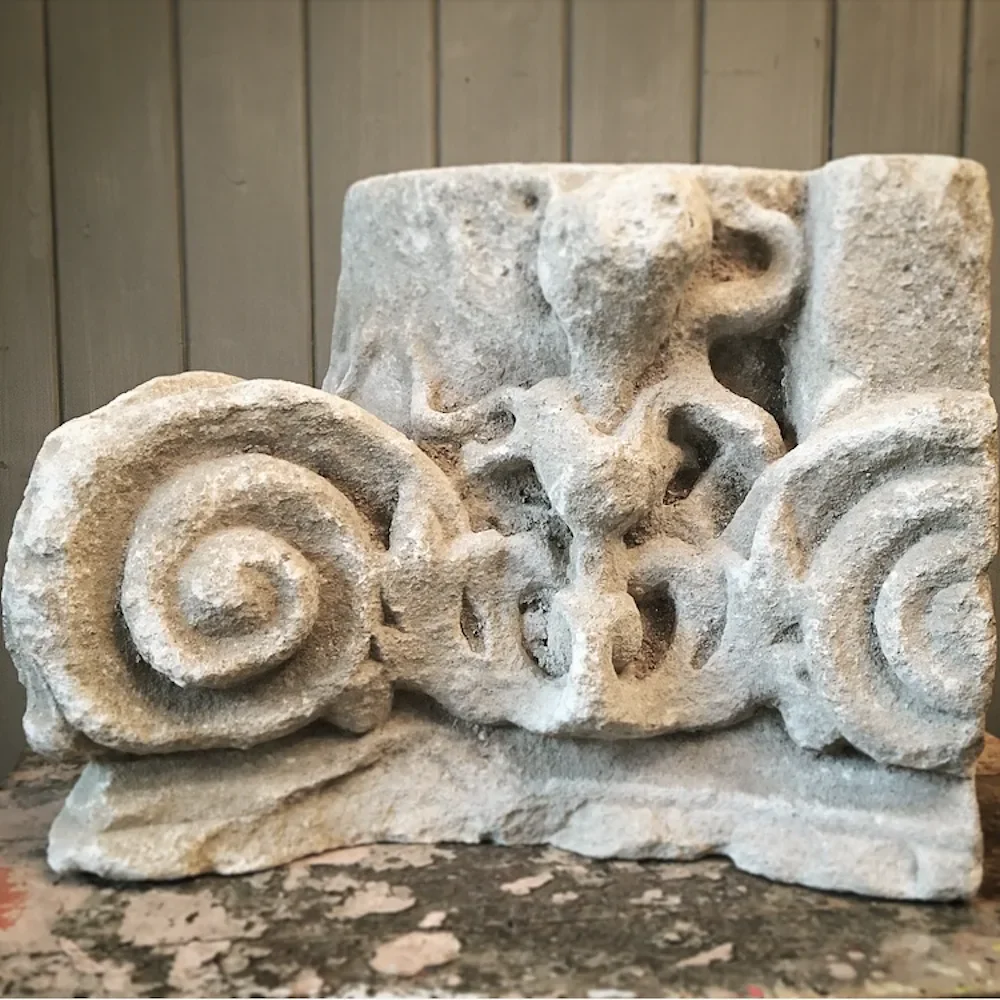
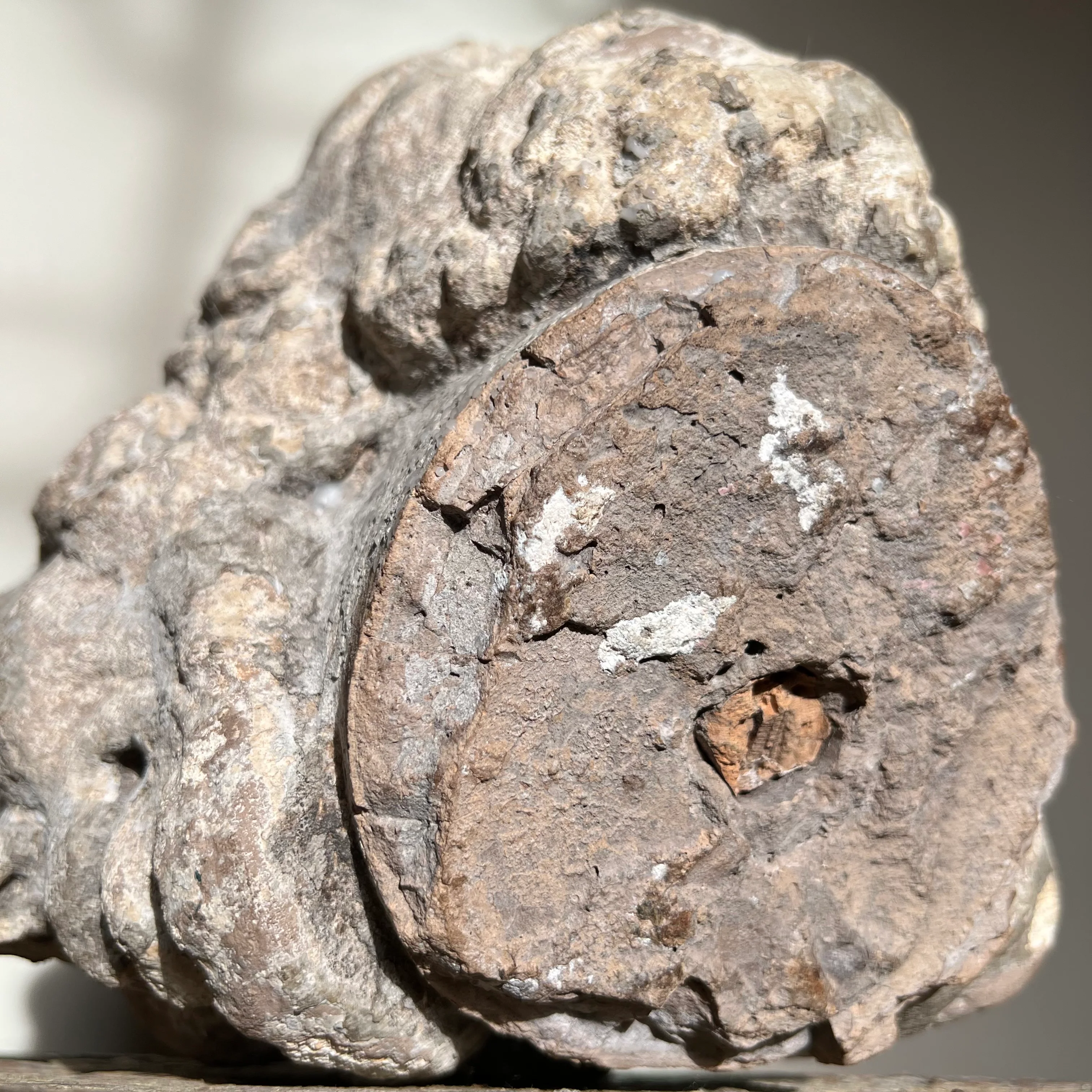
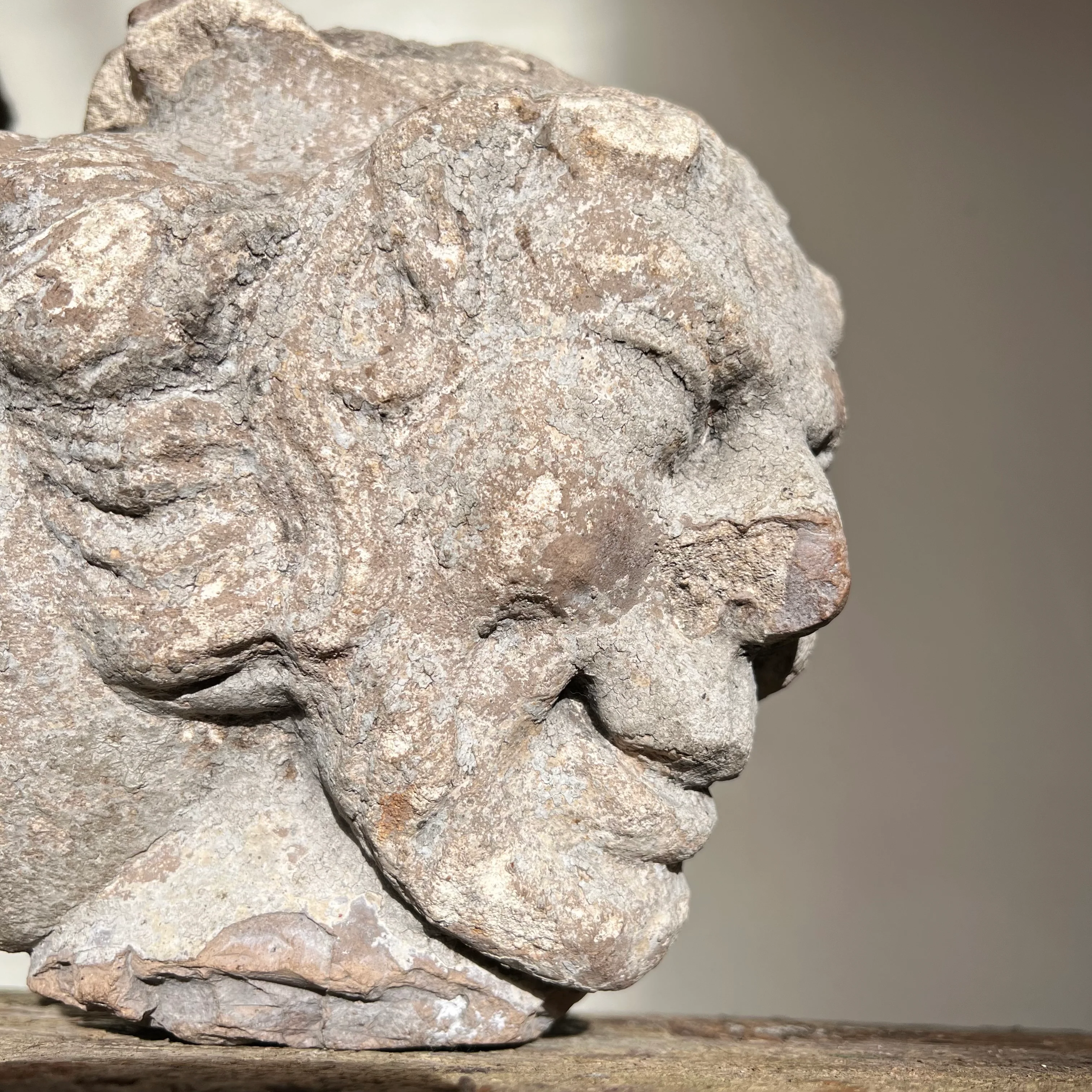
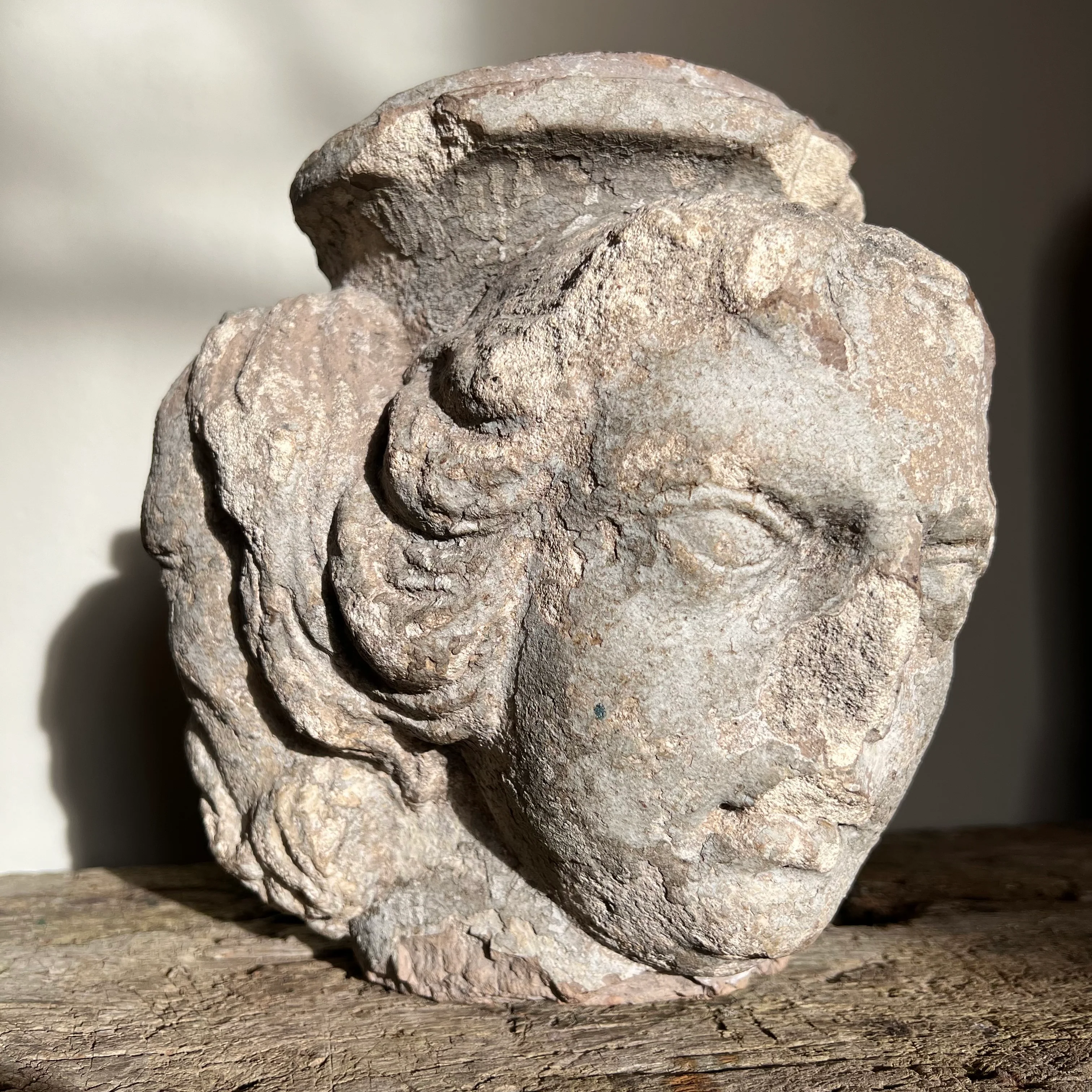
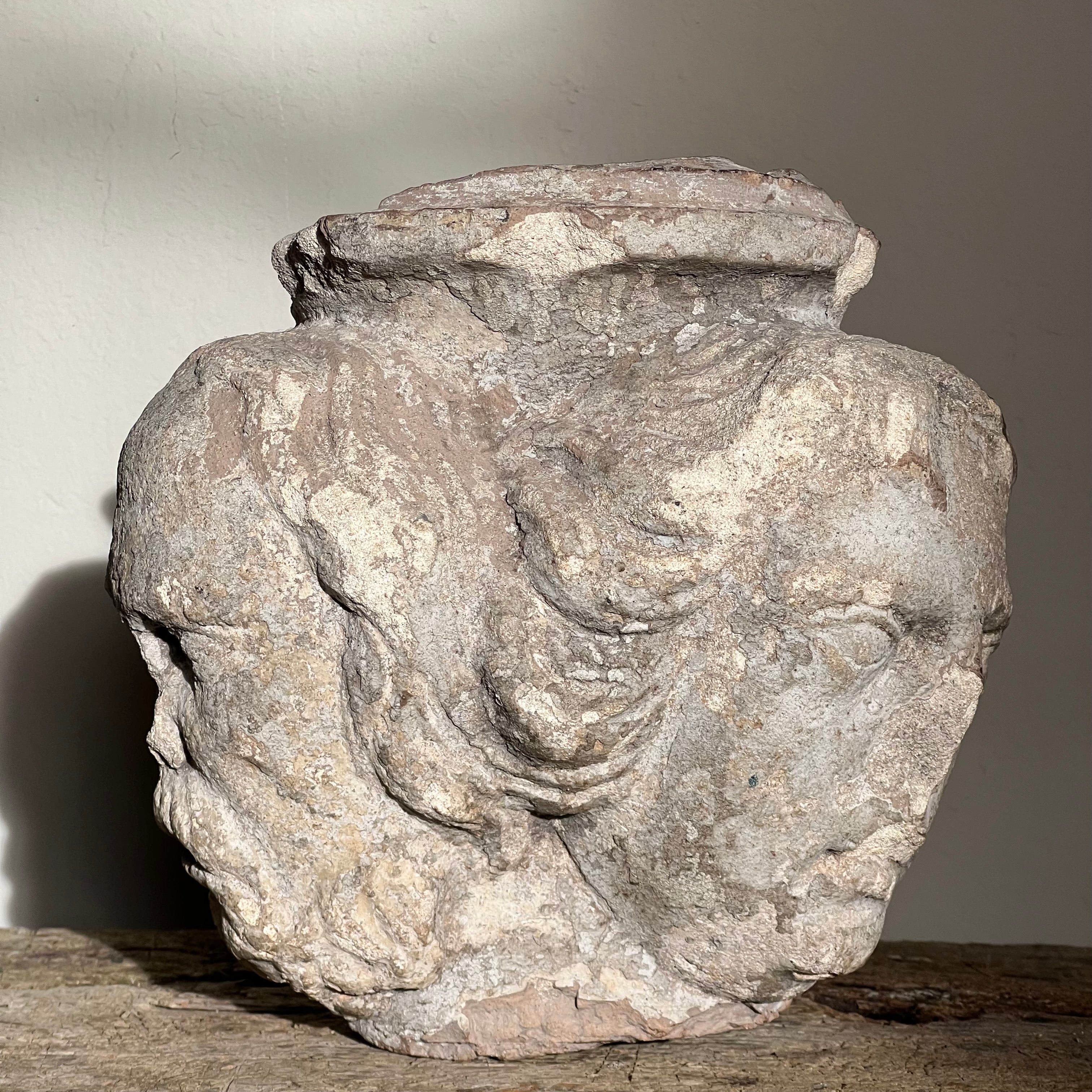
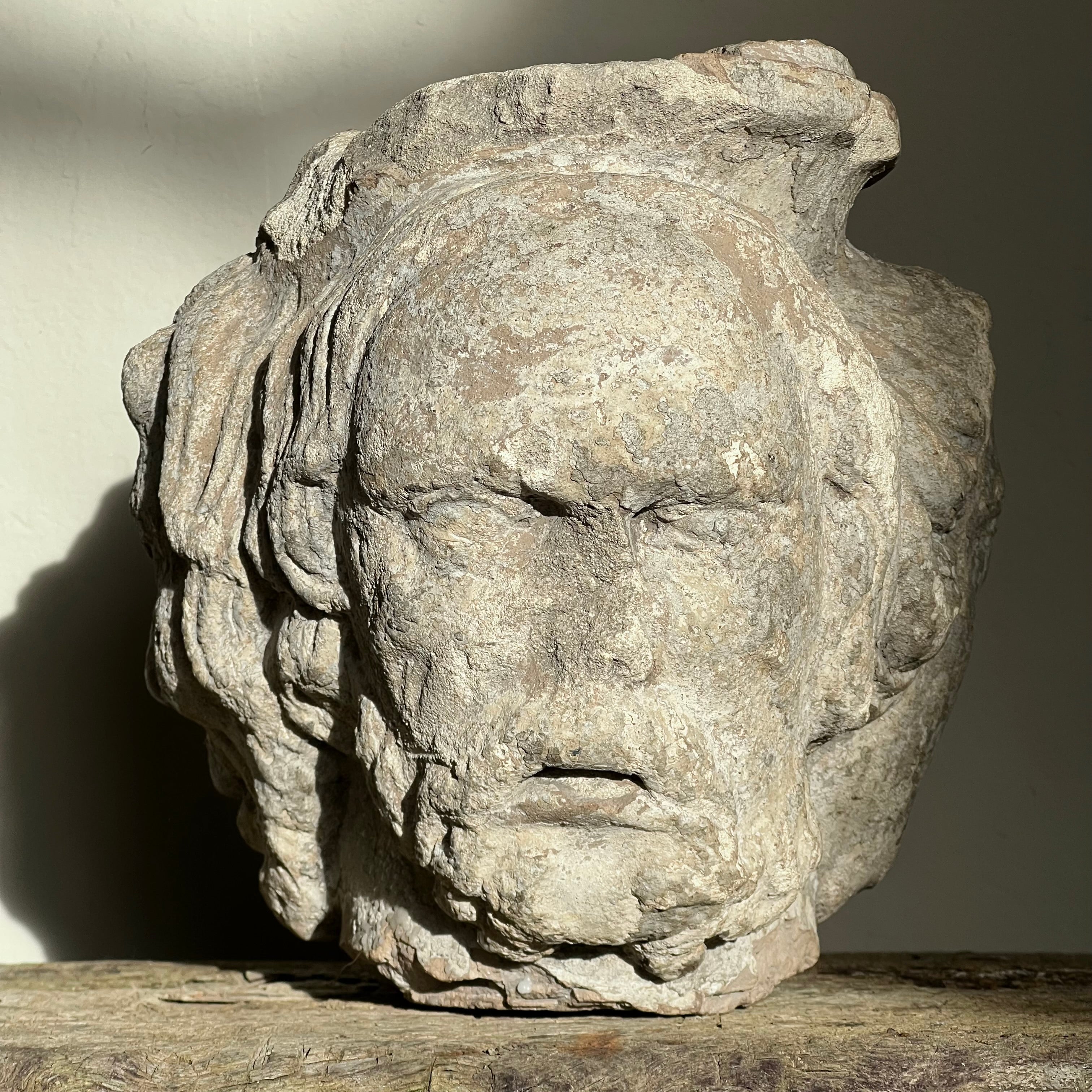
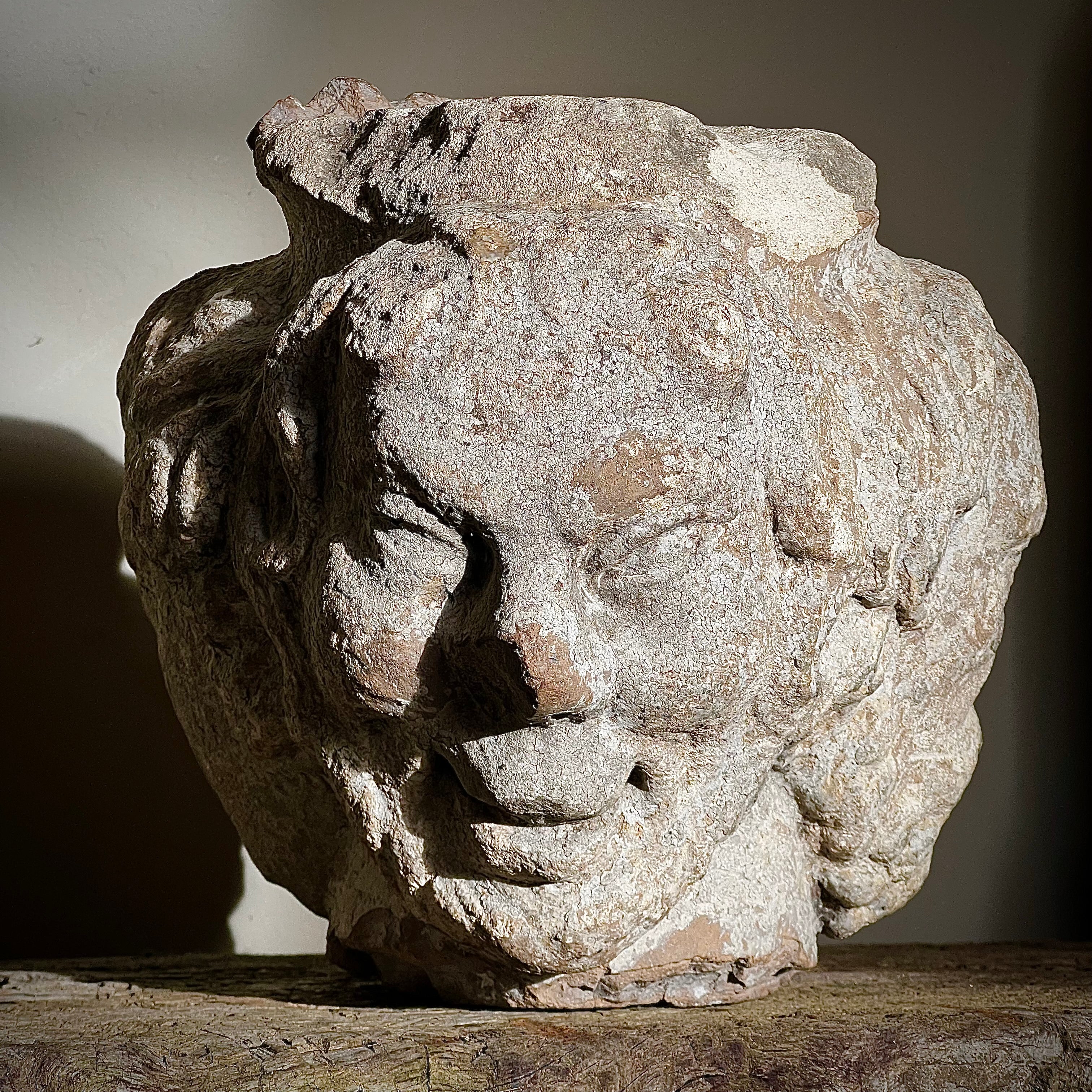
An exceptionally rare and unique Tricephalic Venetian Renaissance capital, dating to c.1460–1500, portraying 'The Three Ages of Man'. This extraordinary piece, carved from limestone, vividly represents the three stages of human life through distinct stylistic interpretations. Youth and innocence are depicted in a naive Medieval style, symbolising simplicity and unformed potential. Adulthood and lust are brought to life in the form of an animated horned satyr, drawing inspiration from the resurgent interest in Roman Classical art during the period. Old age and wisdom are rendered with remarkable realism, portraying a contemplative, bearded elder embodying depth and experience.
The piece invites meditation on the transience of human life and the ideals of virtue. It also stands as a testament to the artistic transition from Venetian Gothic to the early Venetian Renaissance, demonstrated in the shift from naive to realistic portraiture across its various faces. This is an original and highly accomplished work, attributed to a master sculptor, possibly connected to the workshop or influence of the renowned artists Bartolomeo Bon and his father, Giovanni Bon.
Original: $19,293.26
-70%$19,293.26
$5,787.98More Images









Italian Renaissance ‘The Three Ages of Man’ Tricephalic Capital c.1460-1500
An exceptionally rare and unique Tricephalic Venetian Renaissance capital, dating to c.1460–1500, portraying 'The Three Ages of Man'. This extraordinary piece, carved from limestone, vividly represents the three stages of human life through distinct stylistic interpretations. Youth and innocence are depicted in a naive Medieval style, symbolising simplicity and unformed potential. Adulthood and lust are brought to life in the form of an animated horned satyr, drawing inspiration from the resurgent interest in Roman Classical art during the period. Old age and wisdom are rendered with remarkable realism, portraying a contemplative, bearded elder embodying depth and experience.
The piece invites meditation on the transience of human life and the ideals of virtue. It also stands as a testament to the artistic transition from Venetian Gothic to the early Venetian Renaissance, demonstrated in the shift from naive to realistic portraiture across its various faces. This is an original and highly accomplished work, attributed to a master sculptor, possibly connected to the workshop or influence of the renowned artists Bartolomeo Bon and his father, Giovanni Bon.
Product Information
Product Information
Shipping & Returns
Shipping & Returns
Description
An exceptionally rare and unique Tricephalic Venetian Renaissance capital, dating to c.1460–1500, portraying 'The Three Ages of Man'. This extraordinary piece, carved from limestone, vividly represents the three stages of human life through distinct stylistic interpretations. Youth and innocence are depicted in a naive Medieval style, symbolising simplicity and unformed potential. Adulthood and lust are brought to life in the form of an animated horned satyr, drawing inspiration from the resurgent interest in Roman Classical art during the period. Old age and wisdom are rendered with remarkable realism, portraying a contemplative, bearded elder embodying depth and experience.
The piece invites meditation on the transience of human life and the ideals of virtue. It also stands as a testament to the artistic transition from Venetian Gothic to the early Venetian Renaissance, demonstrated in the shift from naive to realistic portraiture across its various faces. This is an original and highly accomplished work, attributed to a master sculptor, possibly connected to the workshop or influence of the renowned artists Bartolomeo Bon and his father, Giovanni Bon.