Three Late Medieval/Early Tudor Urns from Benedictine Abingdon Abbey with Royal Connnection
Three Late Medieval/Early Tudor Urns from Benedictine Abingdon Abbey with Royal Connnection
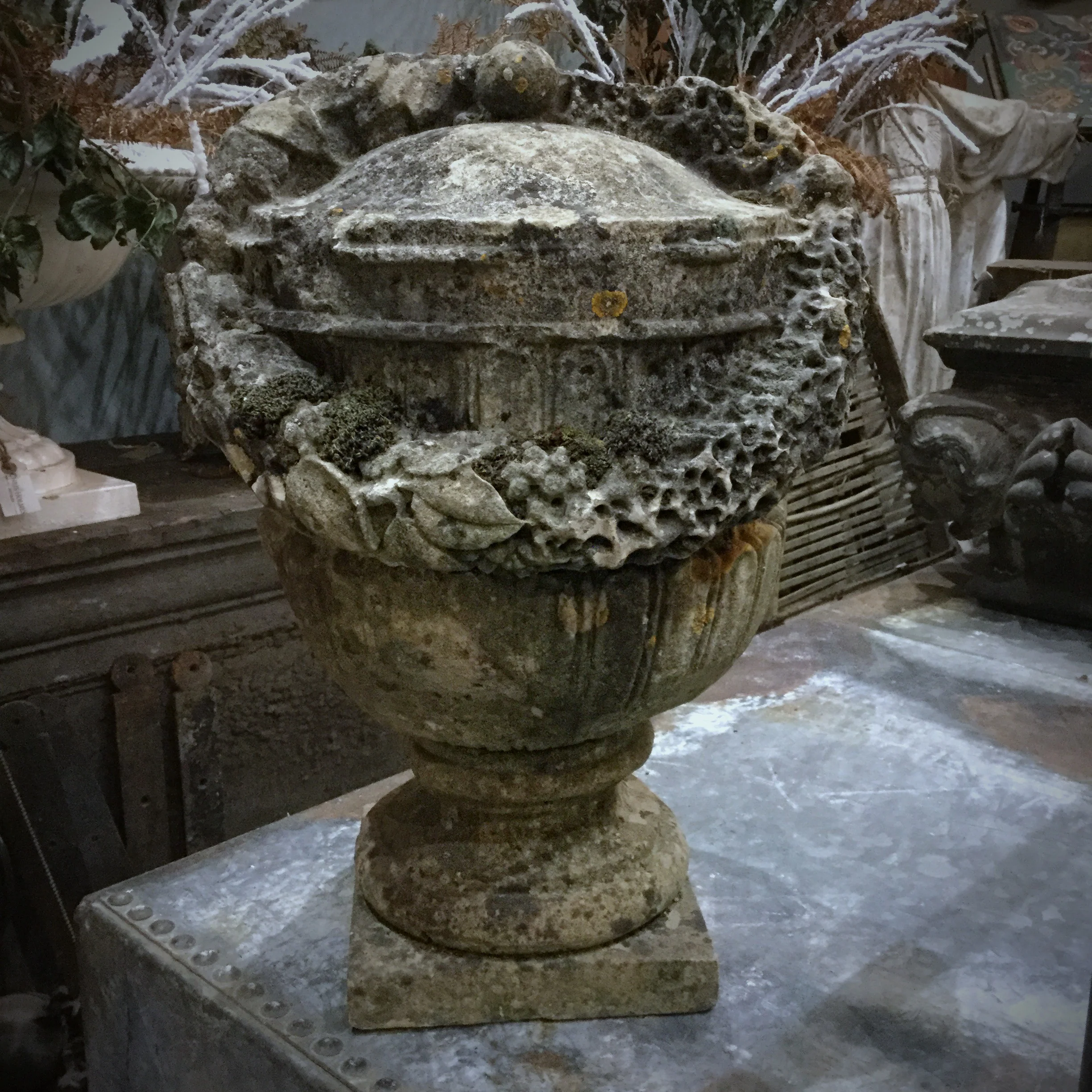
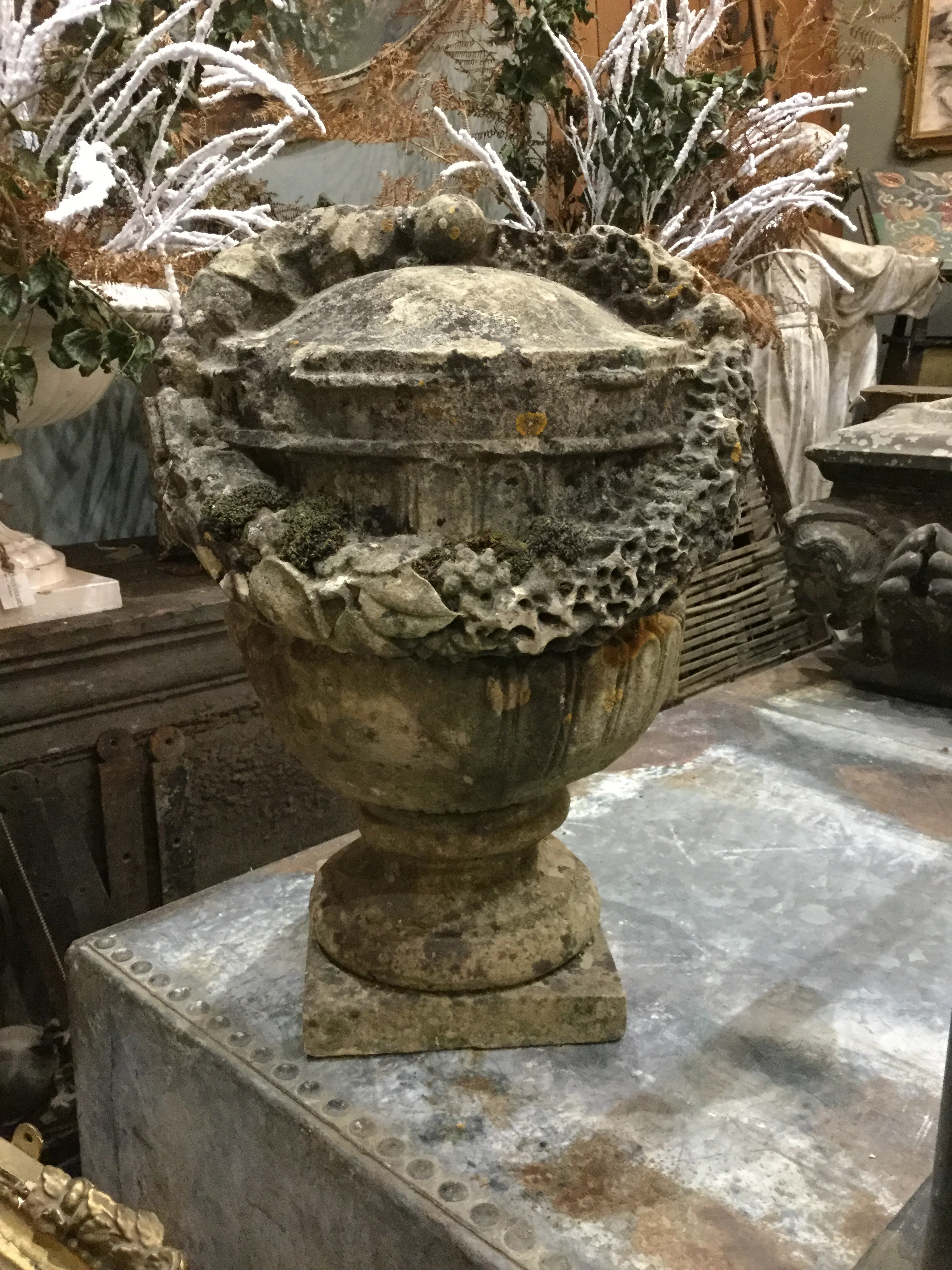
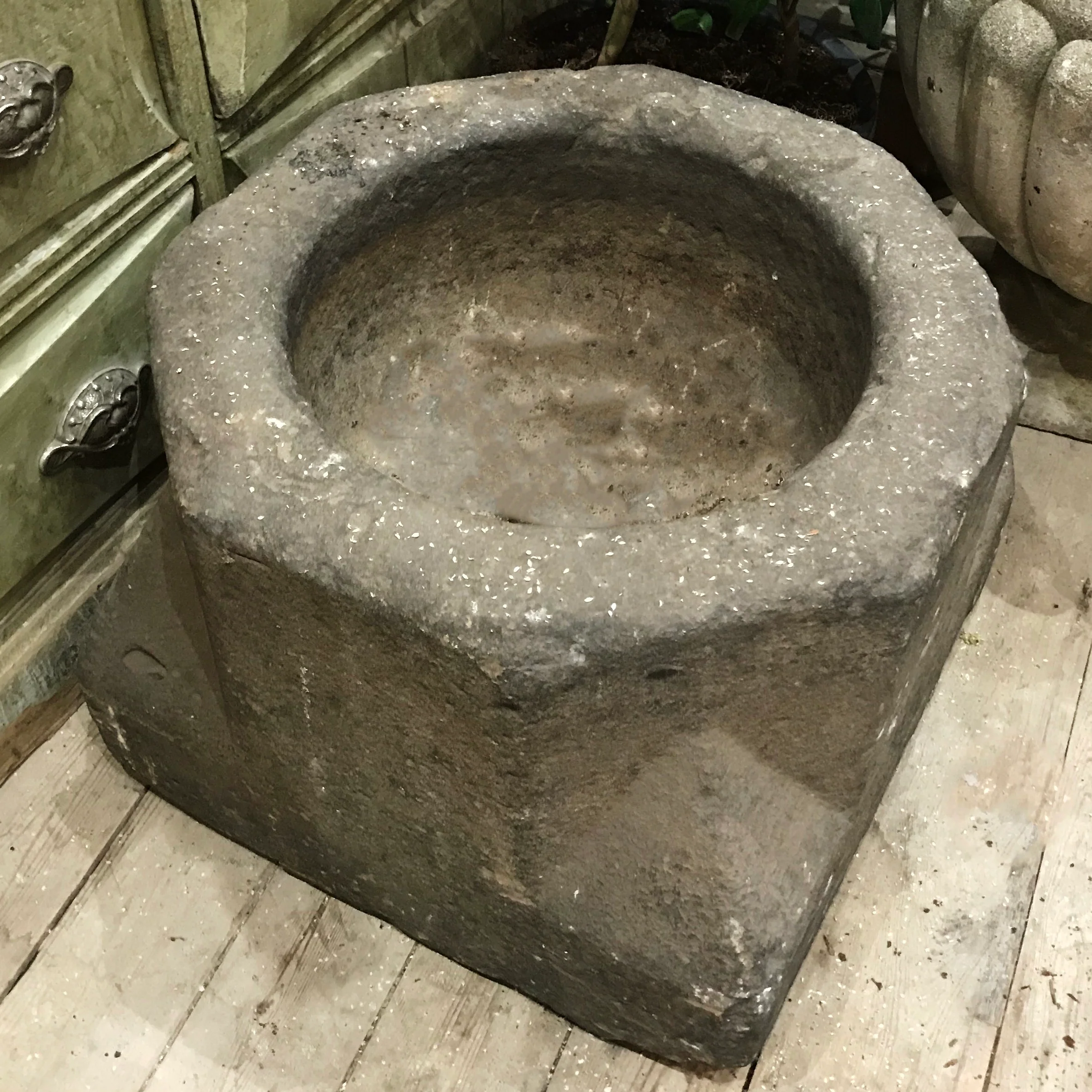
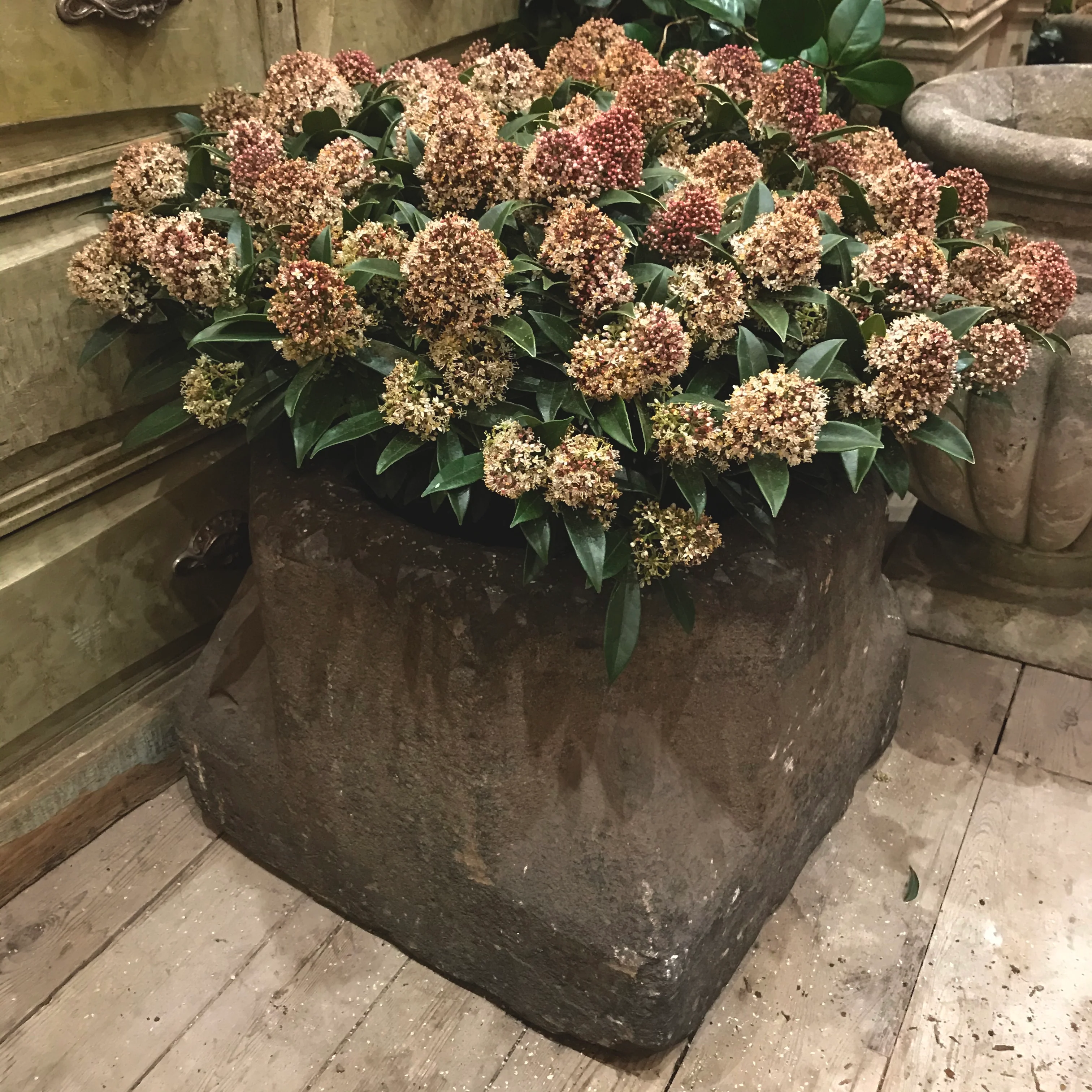
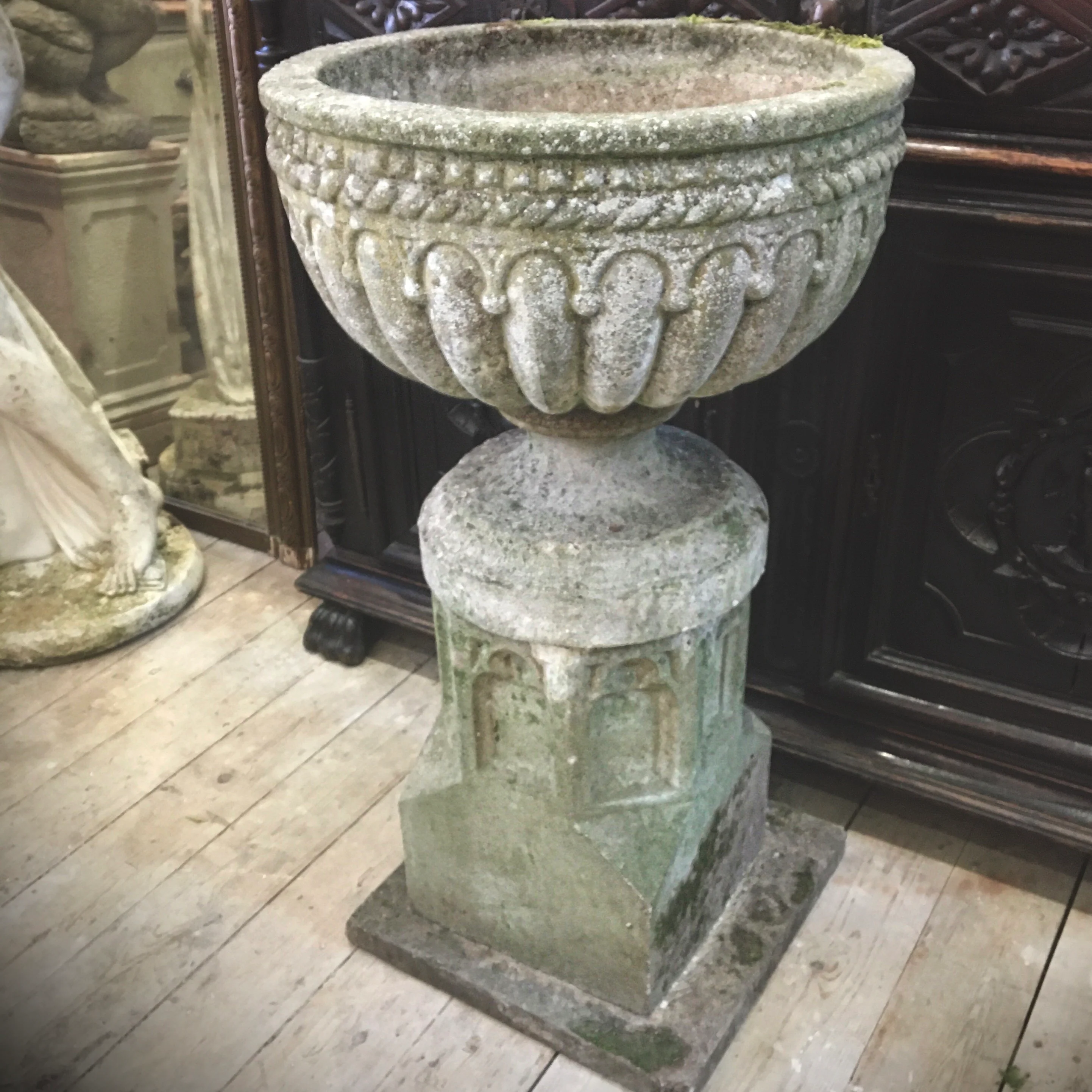
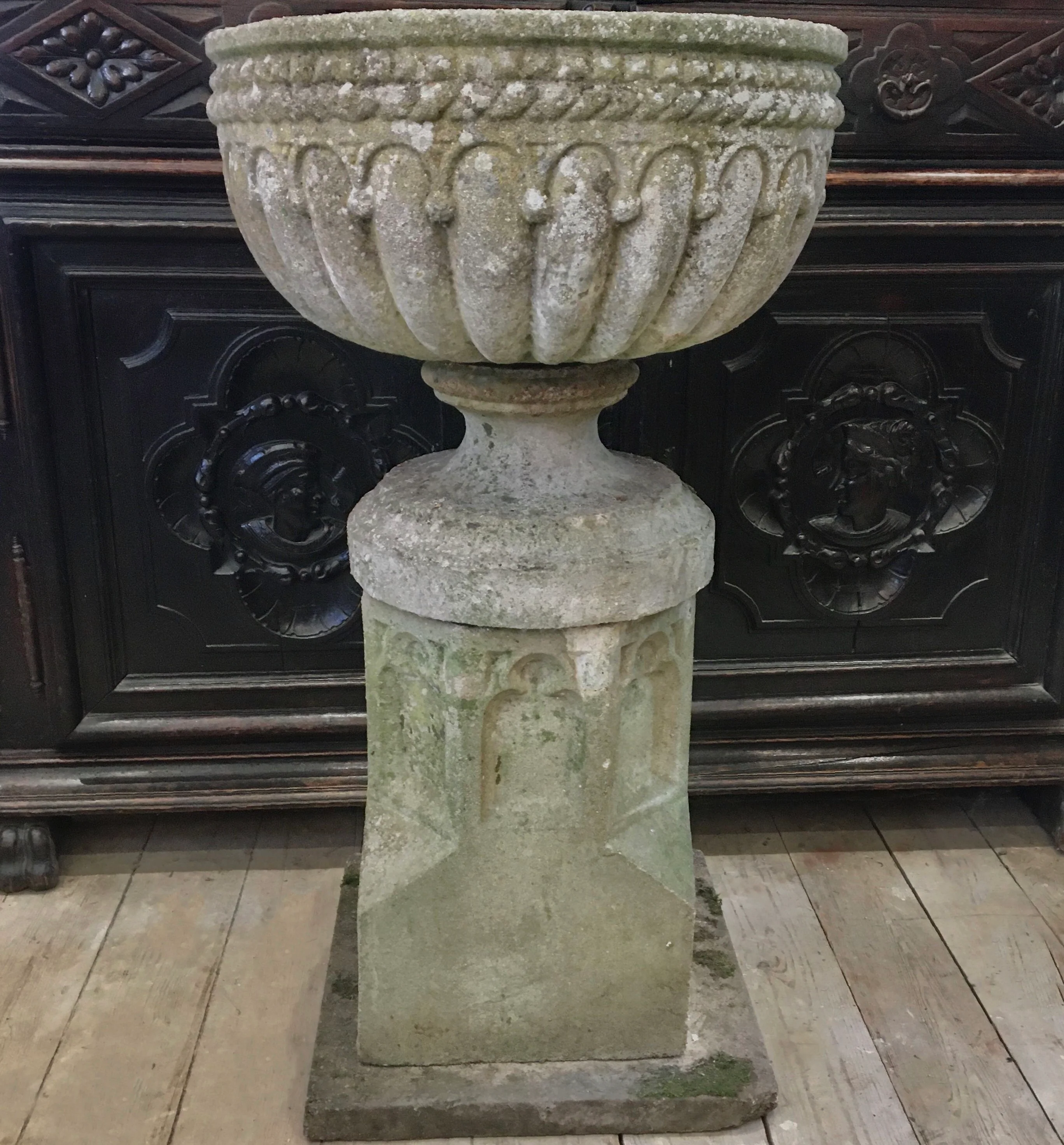
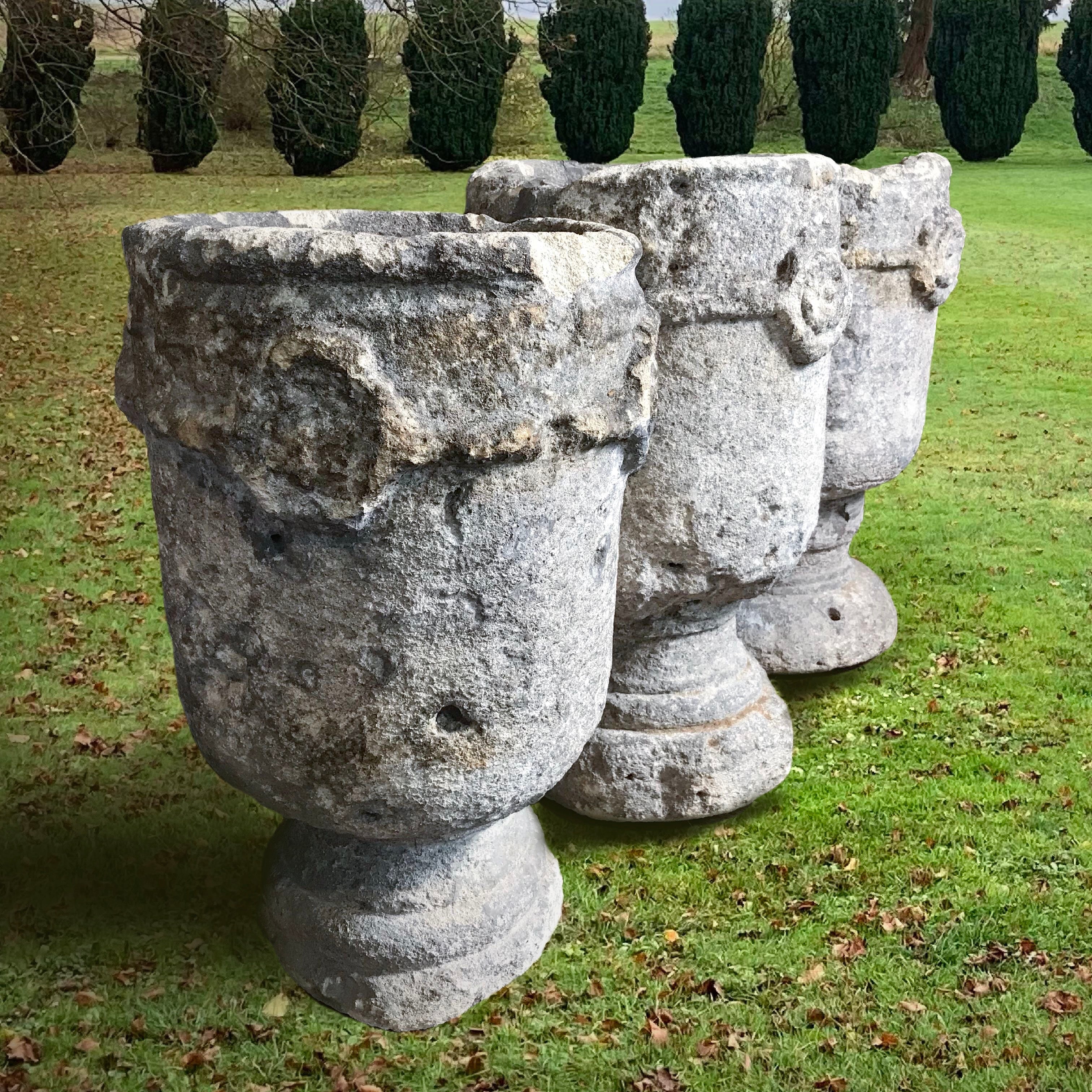
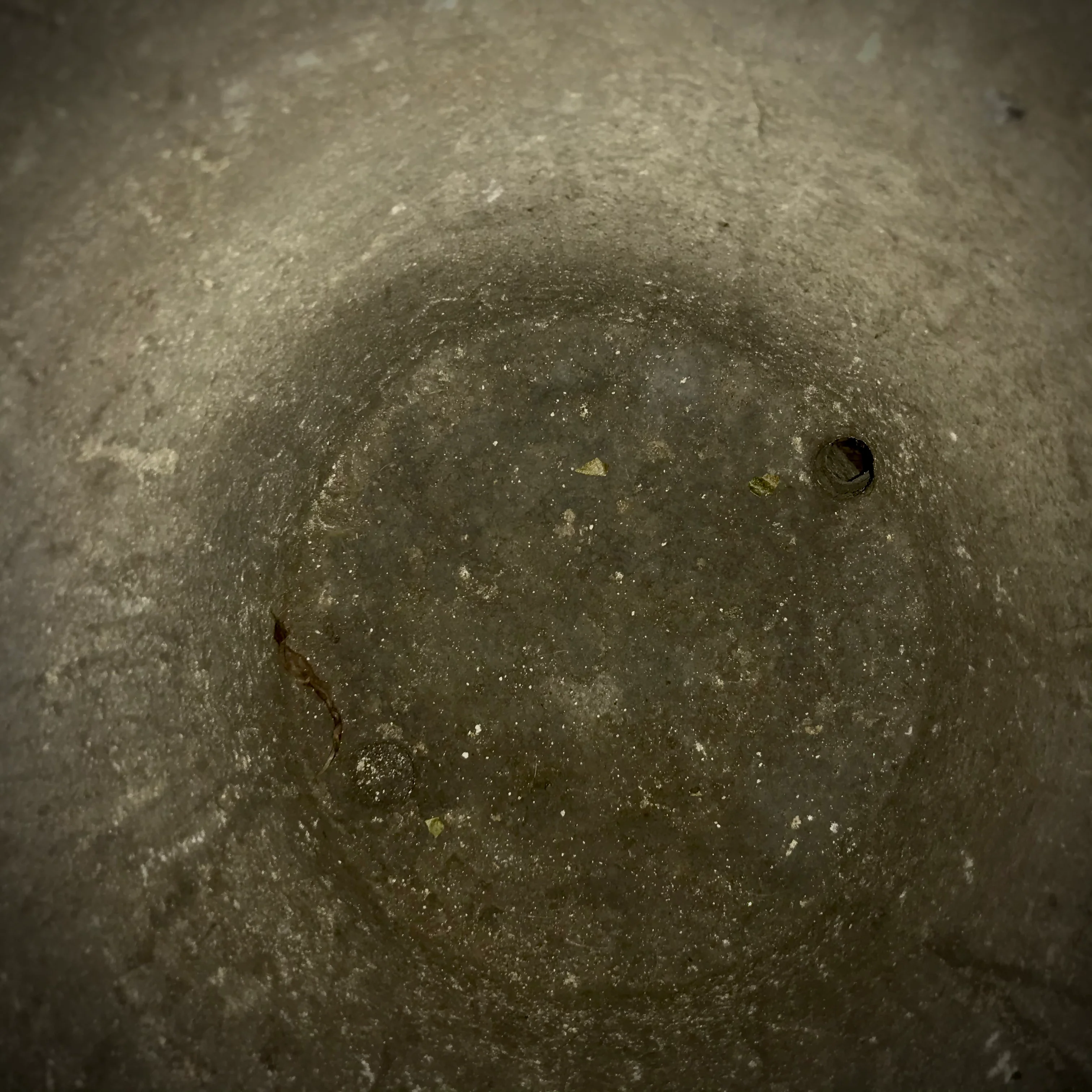
Three rare and outstanding limestone Late Medieval/Early Tudor garden urns from the collection of Reading Museum. Each featuring four Tudor Rose emblems, linked with a simple band, and also having drainage holes making them perfect to use again in your garden or to be kept as museum objects in your interior.
These rare urns have direct provenance from Cumnor Place, the wealthiest and grandest grange of Benedictine Abingdon Abbey, Cumnor, Berkshire. The Abbey’s origins date back to as early as AD 675.
The now demolished Place was a magnificent 14th Century stone structure, formed of a complex of buildings enclosing a large courtyard. A 44ft long Medieval Great Hall to the West and other attached buildings including a vaulted Tudor Gatehouse and a small chapel.
Playing an incredible part in British history:
After surrendering his Abbey in 1538 during the Dissolution of The Monasteries by King Henry VIII, Abbot Thomas Rowland chose to live here. After his death in 1547 the building was granted to George Owen, the King’s Physician. His son leased Cumnor to Sir Anthony Forster, friend and chief controller of Lord Dudley (later Earl of Leicester).
Dudley’s wife, Amy Robsart, stayed with Sir Antony in 1560 when her husband Dudley was away at Court. Dudley was crucially Queen Elizabeth I’s favourite and acknowledged lover.
More Images




Three Late Medieval/Early Tudor Urns from Benedictine Abingdon Abbey with Royal Connnection
Three rare and outstanding limestone Late Medieval/Early Tudor garden urns from the collection of Reading Museum. Each featuring four Tudor Rose emblems, linked with a simple band, and also having drainage holes making them perfect to use again in your garden or to be kept as museum objects in your interior.
These rare urns have direct provenance from Cumnor Place, the wealthiest and grandest grange of Benedictine Abingdon Abbey, Cumnor, Berkshire. The Abbey’s origins date back to as early as AD 675.
The now demolished Place was a magnificent 14th Century stone structure, formed of a complex of buildings enclosing a large courtyard. A 44ft long Medieval Great Hall to the West and other attached buildings including a vaulted Tudor Gatehouse and a small chapel.
Playing an incredible part in British history:
After surrendering his Abbey in 1538 during the Dissolution of The Monasteries by King Henry VIII, Abbot Thomas Rowland chose to live here. After his death in 1547 the building was granted to George Owen, the King’s Physician. His son leased Cumnor to Sir Anthony Forster, friend and chief controller of Lord Dudley (later Earl of Leicester).
Dudley’s wife, Amy Robsart, stayed with Sir Antony in 1560 when her husband Dudley was away at Court. Dudley was crucially Queen Elizabeth I’s favourite and acknowledged lover.
Product Information
Product Information
Shipping & Returns
Shipping & Returns
Description
Three rare and outstanding limestone Late Medieval/Early Tudor garden urns from the collection of Reading Museum. Each featuring four Tudor Rose emblems, linked with a simple band, and also having drainage holes making them perfect to use again in your garden or to be kept as museum objects in your interior.
These rare urns have direct provenance from Cumnor Place, the wealthiest and grandest grange of Benedictine Abingdon Abbey, Cumnor, Berkshire. The Abbey’s origins date back to as early as AD 675.
The now demolished Place was a magnificent 14th Century stone structure, formed of a complex of buildings enclosing a large courtyard. A 44ft long Medieval Great Hall to the West and other attached buildings including a vaulted Tudor Gatehouse and a small chapel.
Playing an incredible part in British history:
After surrendering his Abbey in 1538 during the Dissolution of The Monasteries by King Henry VIII, Abbot Thomas Rowland chose to live here. After his death in 1547 the building was granted to George Owen, the King’s Physician. His son leased Cumnor to Sir Anthony Forster, friend and chief controller of Lord Dudley (later Earl of Leicester).
Dudley’s wife, Amy Robsart, stayed with Sir Antony in 1560 when her husband Dudley was away at Court. Dudley was crucially Queen Elizabeth I’s favourite and acknowledged lover.