Primitively Formed Naga Grinding Table
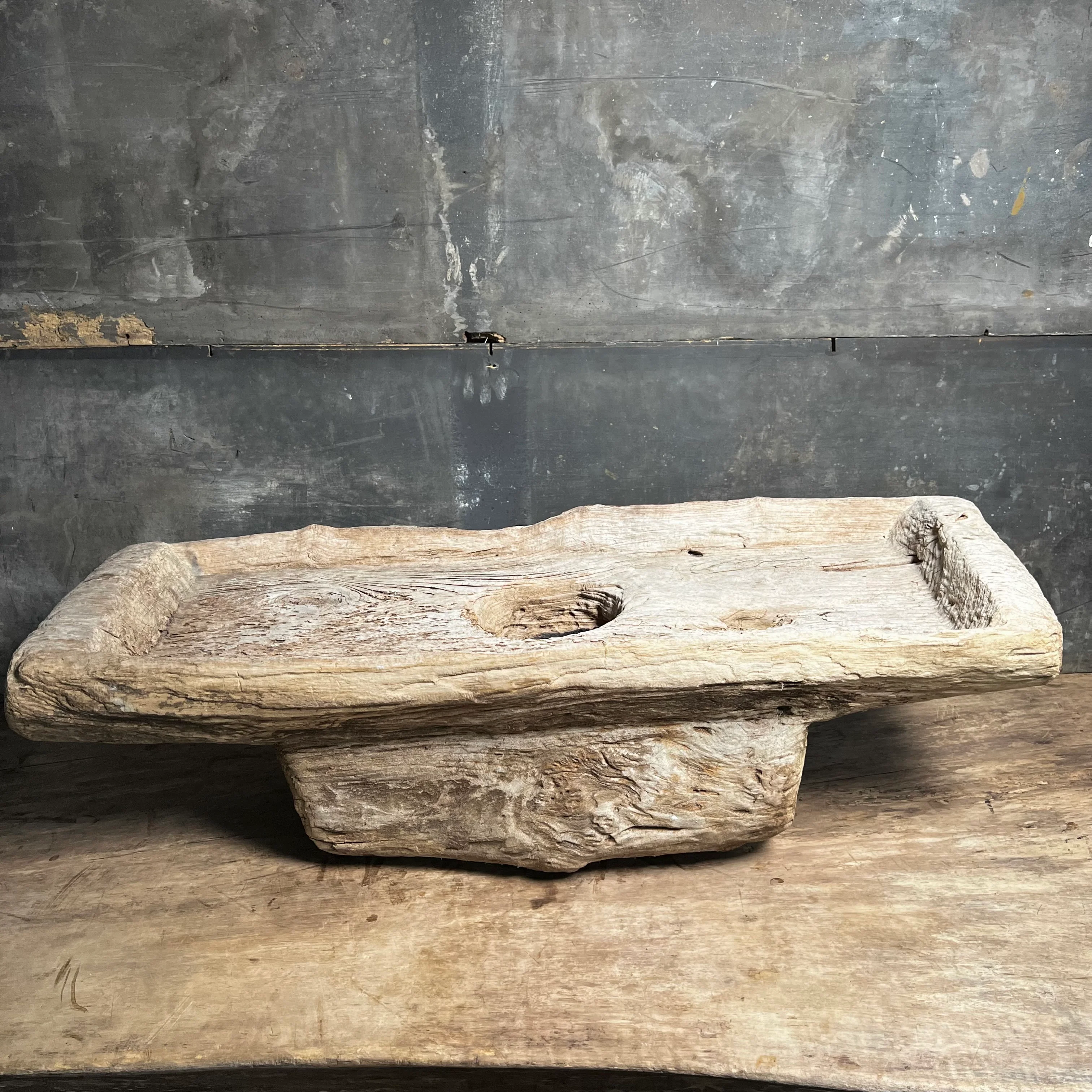
A wonderfully primitively formed hand-carved grinding table from Nagaland, India. Late 19th Century.
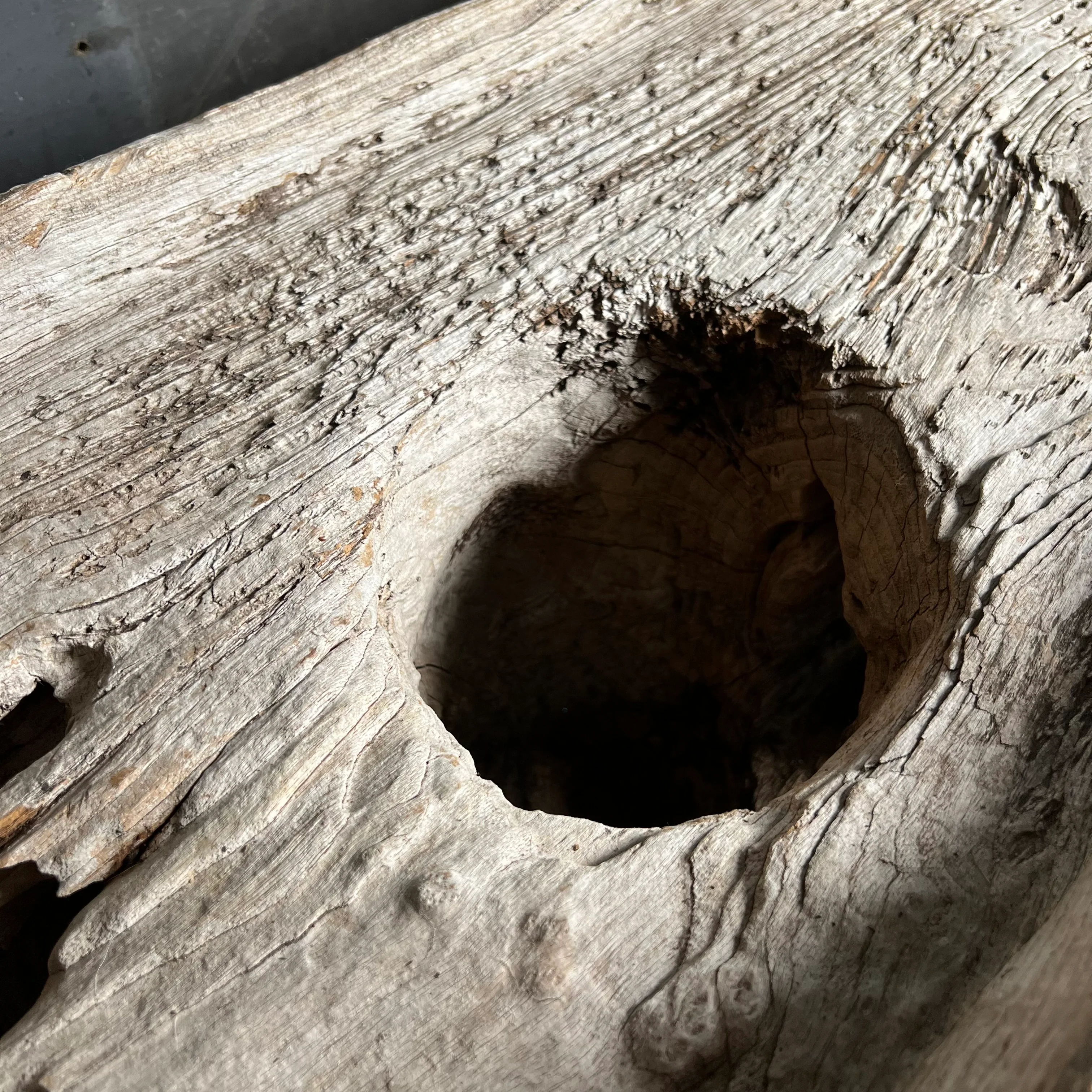
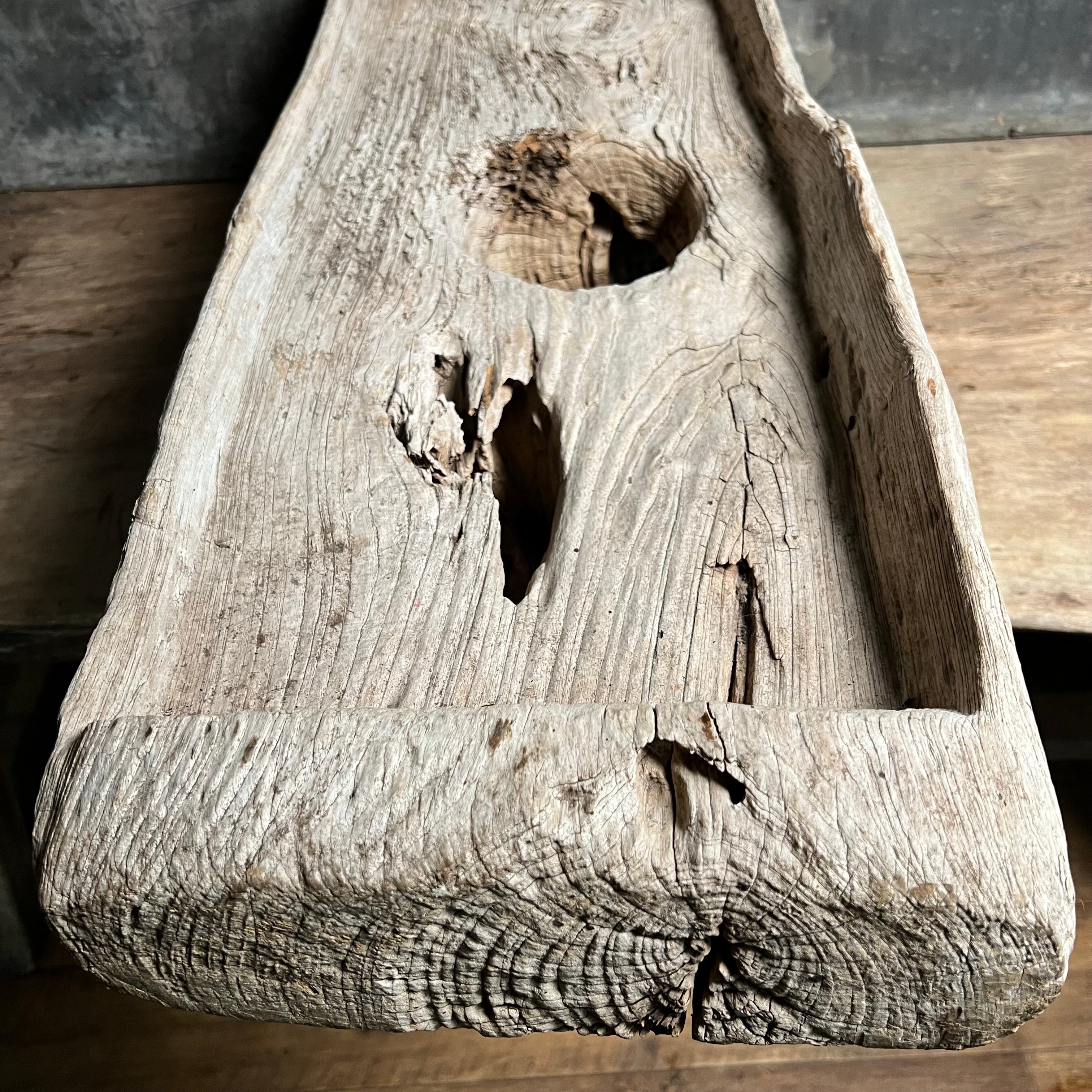
Naga tables were originally used by the Naga tribes people of Northeast India to grind grain. The hole in the centre was where the grains were housed to be ground with long poles.
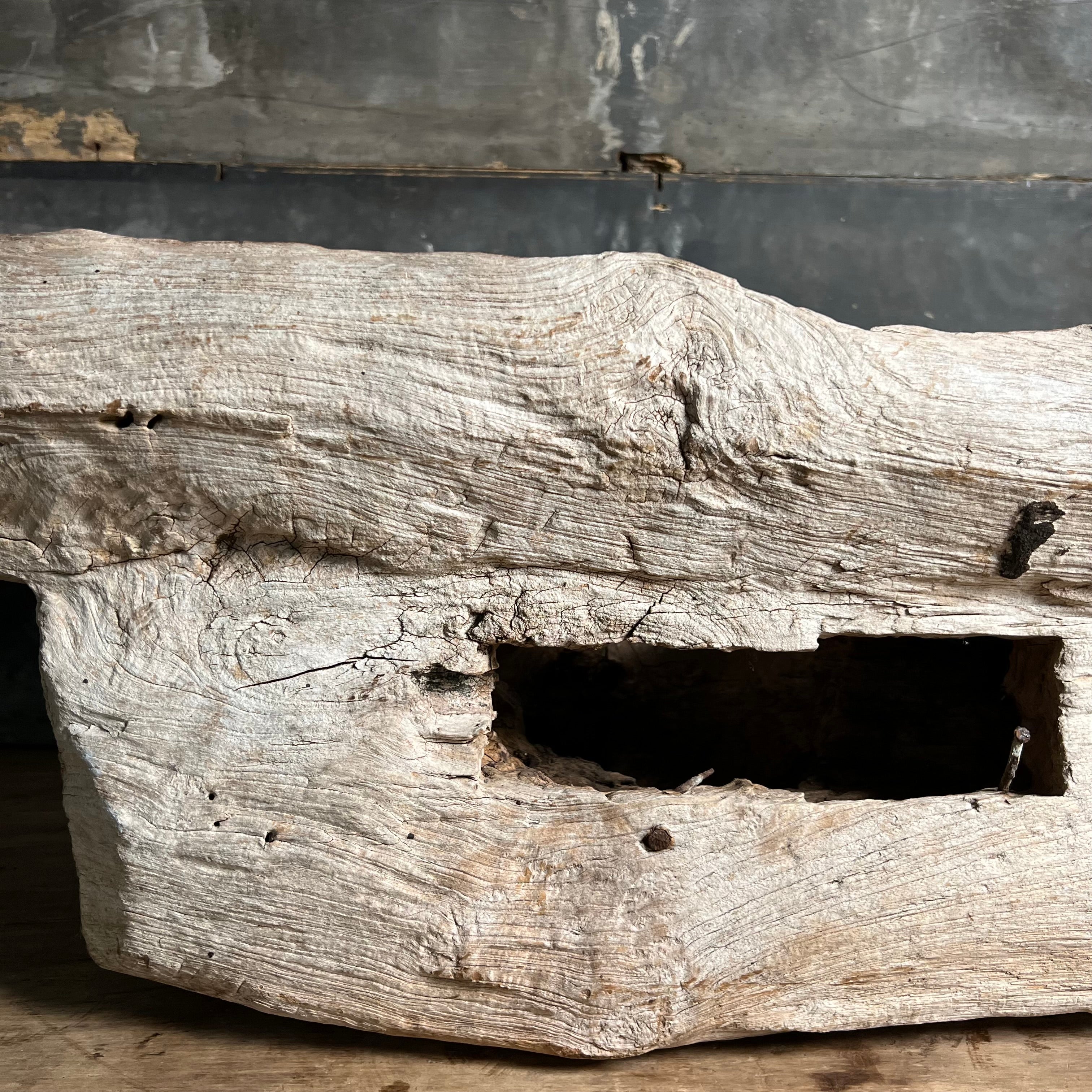
Carved from a single piece of wood, silvered, weathered and eroded through time and use.
A primitive banal and everyday object to the people of Naga, but a testament to the art of form and function from a unique culture and an ancient tradition.
To us, a sculptural work of art, dynamic and graphic in aesthetic, yet beautifully patinated and textured. Epitomising the notion of wabi sabi. Perfectly imperfect.
Original: $2,927.25
-70%$2,927.25
$878.17More Images










Primitively Formed Naga Grinding Table
A wonderfully primitively formed hand-carved grinding table from Nagaland, India. Late 19th Century.
Naga tables were originally used by the Naga tribes people of Northeast India to grind grain. The hole in the centre was where the grains were housed to be ground with long poles.
Carved from a single piece of wood, silvered, weathered and eroded through time and use.
A primitive banal and everyday object to the people of Naga, but a testament to the art of form and function from a unique culture and an ancient tradition.
To us, a sculptural work of art, dynamic and graphic in aesthetic, yet beautifully patinated and textured. Epitomising the notion of wabi sabi. Perfectly imperfect.
Product Information
Product Information
Shipping & Returns
Shipping & Returns
Description
A wonderfully primitively formed hand-carved grinding table from Nagaland, India. Late 19th Century.
Naga tables were originally used by the Naga tribes people of Northeast India to grind grain. The hole in the centre was where the grains were housed to be ground with long poles.
Carved from a single piece of wood, silvered, weathered and eroded through time and use.
A primitive banal and everyday object to the people of Naga, but a testament to the art of form and function from a unique culture and an ancient tradition.
To us, a sculptural work of art, dynamic and graphic in aesthetic, yet beautifully patinated and textured. Epitomising the notion of wabi sabi. Perfectly imperfect.